US Market Sales Figures
U.S Automotive Segment Sales Data & Analysis Hub (All Years)
Dive into each vehicle to see how well the segment and specific models did in the United States market. Note that segment data is broken out by year and market.
Quick Links: 2025 / 2024 / 2023 / 2022 / 2021 / 2020 / 2019 / 2018 / 2017 / 2016 / 2015 / 2014 / 2013 / 2012 / 2011 / 2010 / 2009 / 2008 / 2007 / 2006
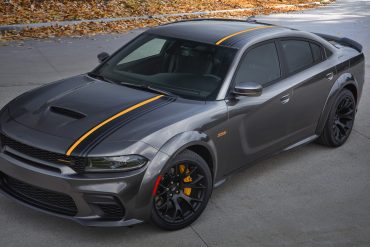
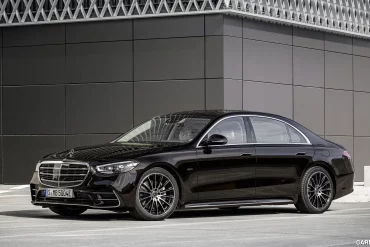
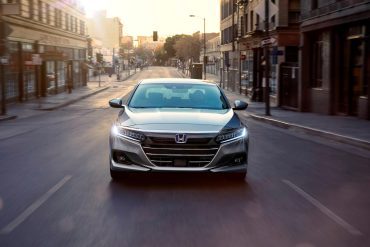
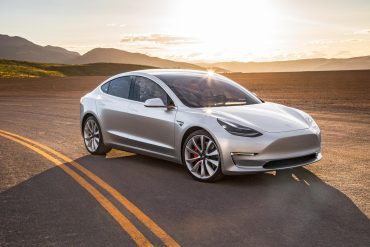
Vehicle sales mix in the United States has undergone a fundamental transformation over the past 15 years. In 2010, passenger cars accounted for more than half of all new vehicle sales. By 2024, that figure had collapsed to roughly 25%, with monthly 2025 data showing passenger cars capturing as little as 16-20% of the market in some months.
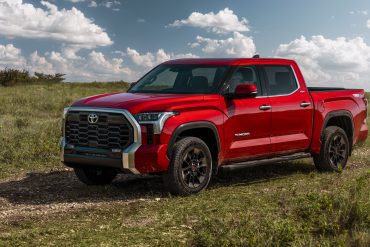
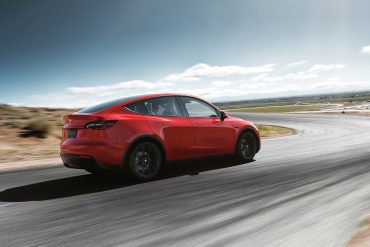
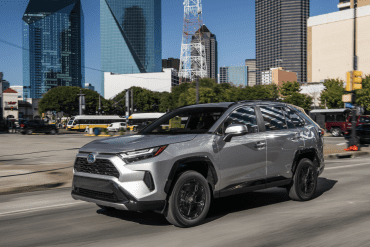
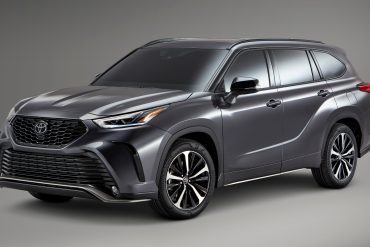
This decline has been offset by the rise of trucks and SUVs. In 2010, these segments accounted for approximately 48% of new vehicle sales. By 2024, trucks and SUVs captured 75% of the market, a record. Monthly 2025 data shows light trucks consistently claiming 80-84% of sales volume, suggesting the shift is still accelerating.
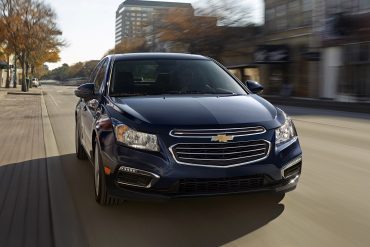
Several factors have driven this structural change. Manufacturers have systematically eliminated low-margin economy cars in favor of higher-profit trucks and utility vehicles. The Ford Fiesta, Chevrolet Cruze, Honda Fit, and Toyota Yaris have all been discontinued in the U.S. market. Even volume brands like Nissan and Kia have shifted focus upmarket.
Consumer preferences have also evolved. Trucks and SUVs offer more space and versatility than passenger cars, making them attractive to families and individuals who need to transport cargo or passengers. The popularity of outdoor activities has further boosted demand for vehicles suited to camping, towing, and off-road use.
Fuel efficiency concerns, once a disadvantage for larger vehicles, have been mitigated by improved powertrain technology. Hybrid SUVs and crossovers now deliver competitive fuel economy, with electrified powertrains capturing 21.2% of Q3 2024 sales when combining BEVs, PHEVs, and conventional hybrids. Battery electric vehicles alone reached 1.3 million units in 2024, representing 8.1% of the total market.
The shift in vehicle sales mix shows no signs of reversing. Entry-level vehicles under $25,000 have virtually disappeared from dealer lots, and the average new vehicle transaction price now exceeds $47,000. As manufacturers continue investing in truck and SUV platforms while electrifying across all segments, these categories are expected to dominate American roads for the foreseeable future.
2025 U.S Segment Sales Data & Reports
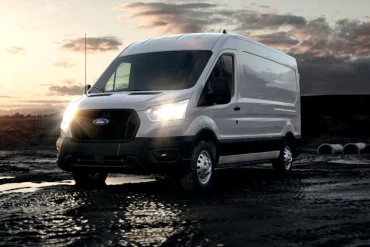


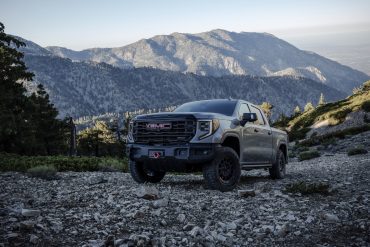
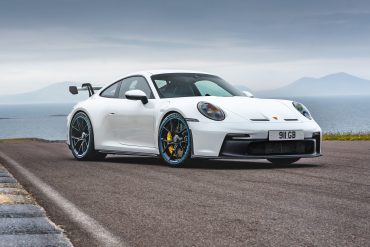
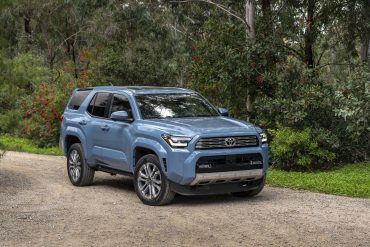
2025 U.S Sub-Segment Sales Data & Reports











2024 U.S Segment Sales Data & Reports
2024 U.S Sub-Segment Sales Data & Reports



2023 U.S Segment Sales Data & Reports
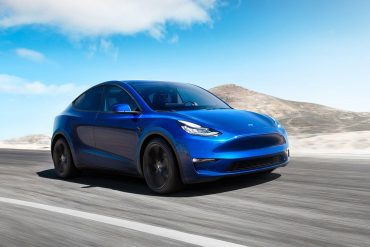
2023 U.S Sub-Segment Sales Data & Reports
2022 U.S Segment Sales Data & Reports
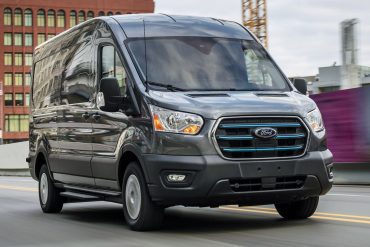
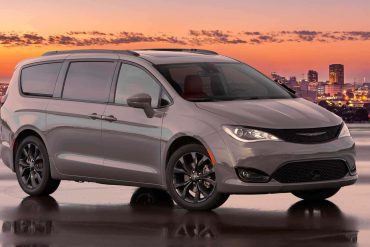
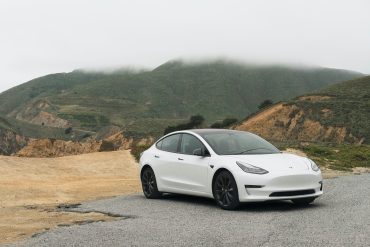
2022 U.S Sub-Segment Sales Data & Reports








2021 U.S Segment Sales Data & Reports

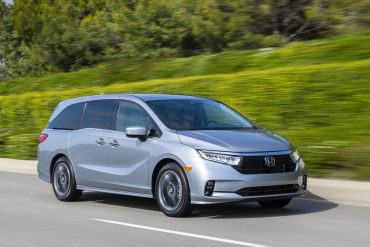
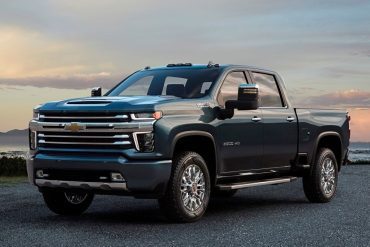
2021 U.S Sub-Segment Sales Data & Reports
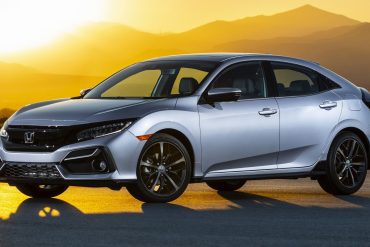
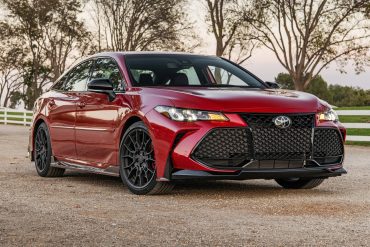

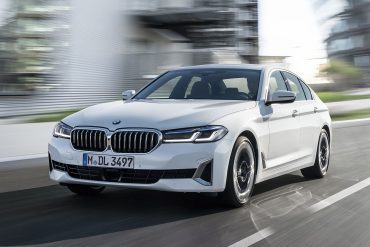
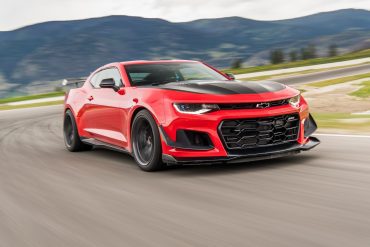

2020 U.S Segment Sales Data & Reports
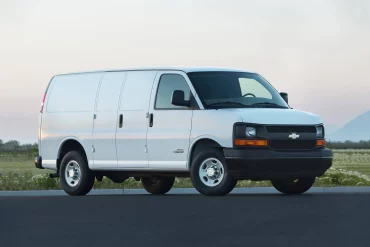
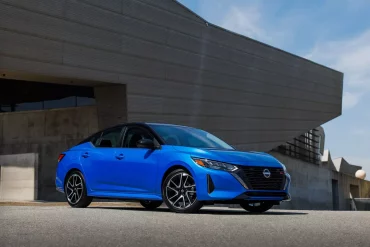


2019 U.S Segment Sales Data & Reports

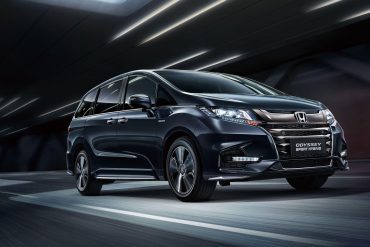
2018 U.S Segment Sales Data & Reports


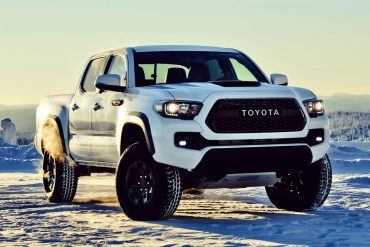
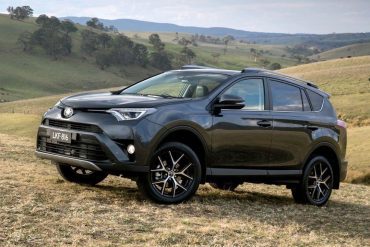
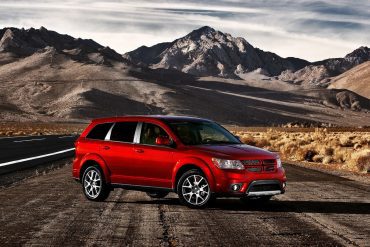
2017 U.S Segment Sales Data & Reports


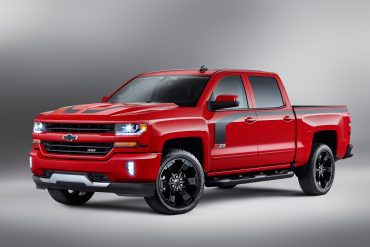
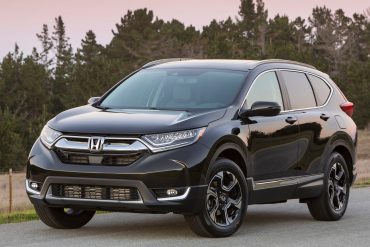
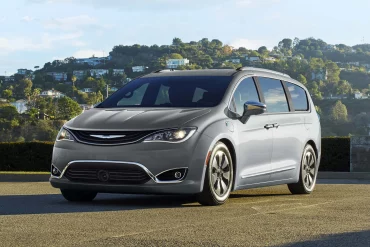
2016 U.S Segment Sales Data & Reports
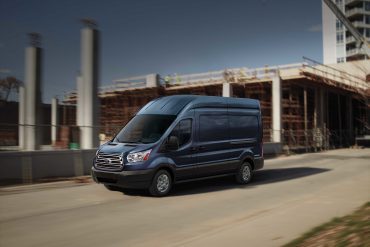
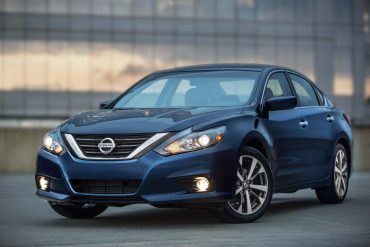
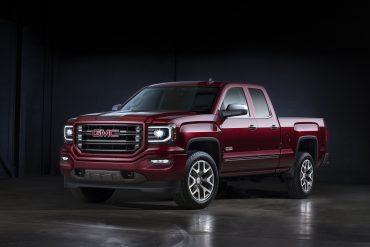
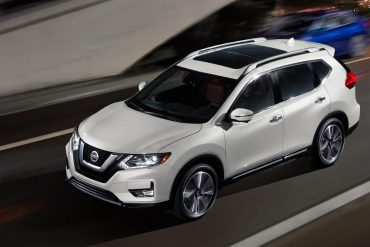
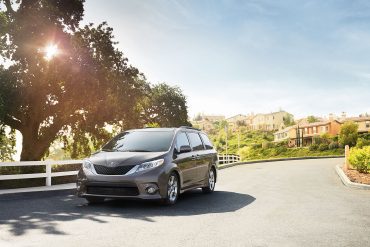
2015 U.S Segment Sales Data & Reports

2014 U.S Segment Sales Data & Reports
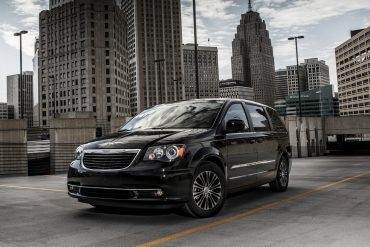
2013 U.S Segment Sales Data & Reports
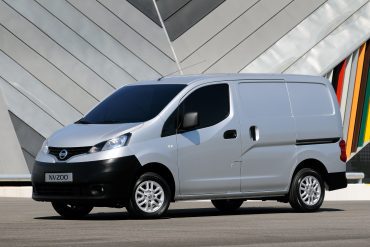

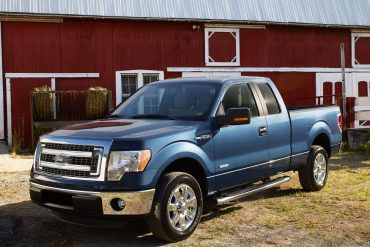
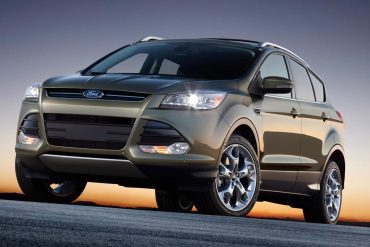
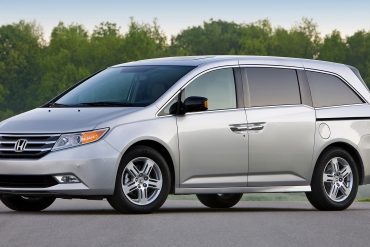
2012 U.S Segment Sales Data & Reports
2011 U.S Segment Sales Data & Reports
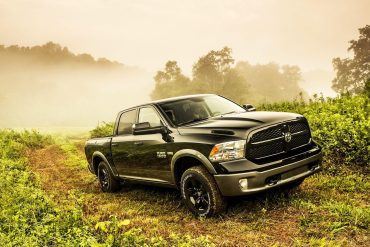
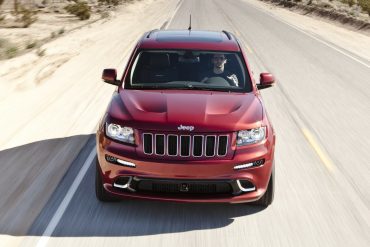
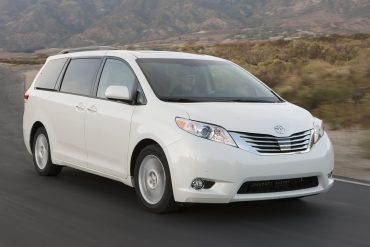
2010 U.S Segment Sales Data & Reports

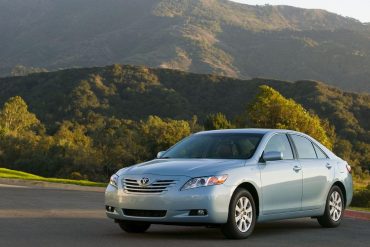
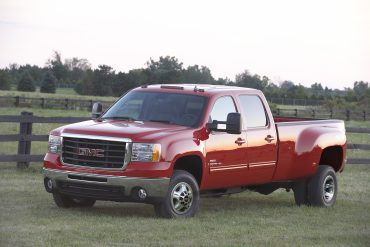

2009 U.S Segment Sales Data & Reports
2008 U.S Segment Sales Data & Reports
2007 U.S Segment Sales Data & Reports

2006 U.S Segment Sales Data & Reports