April 3, 2026
Kia rolled the smallest, cheapest electric vehicle the U.S. market has seen in years onto the stage at the New York Auto Show this week, and the timing isn’t accidental. The 2027 EV3 fills a void left behind by every major automaker’s retreat from affordable electrification, arriving precisely when the federal EV tax credit has vanished and electric car sales are collapsing.
The stakes are clearer than the spec sheet. New electric vehicle sales dropped 28 percent in the first quarter of 2026, according to Cox Automotive data. The $7,500 federal EV tax credit expired on September 30, 2025, and automakers have spent the last six months watching customers return to gas cars or linger in the used EV market, where average prices sit at $34,821, within $1,300 of what gasoline buyers pay for used cars. Kia is betting that a compact SUV with 220-mile or 320-mile range starting near $30,000 can change that calculus without a government check.
The Affordability Play
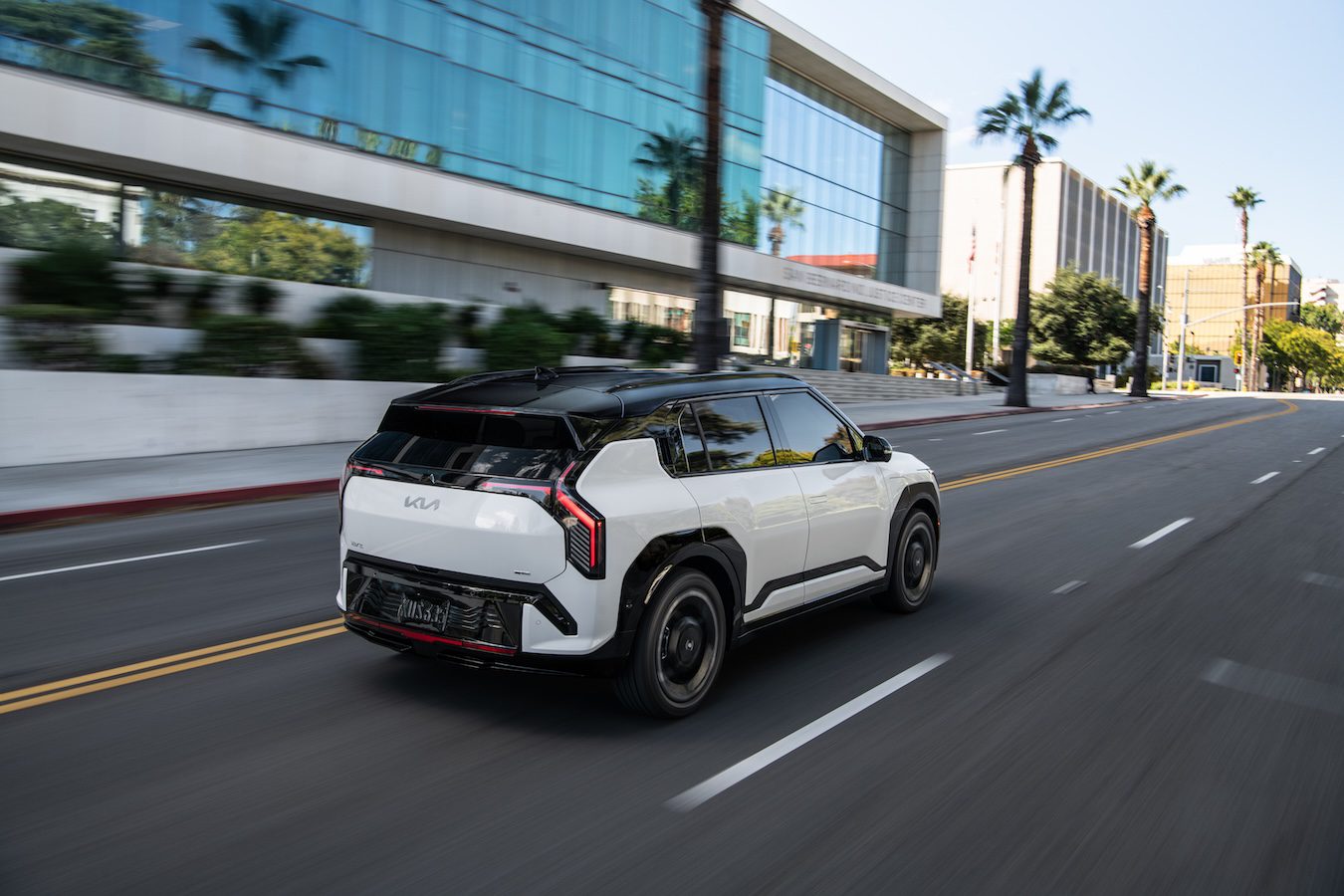
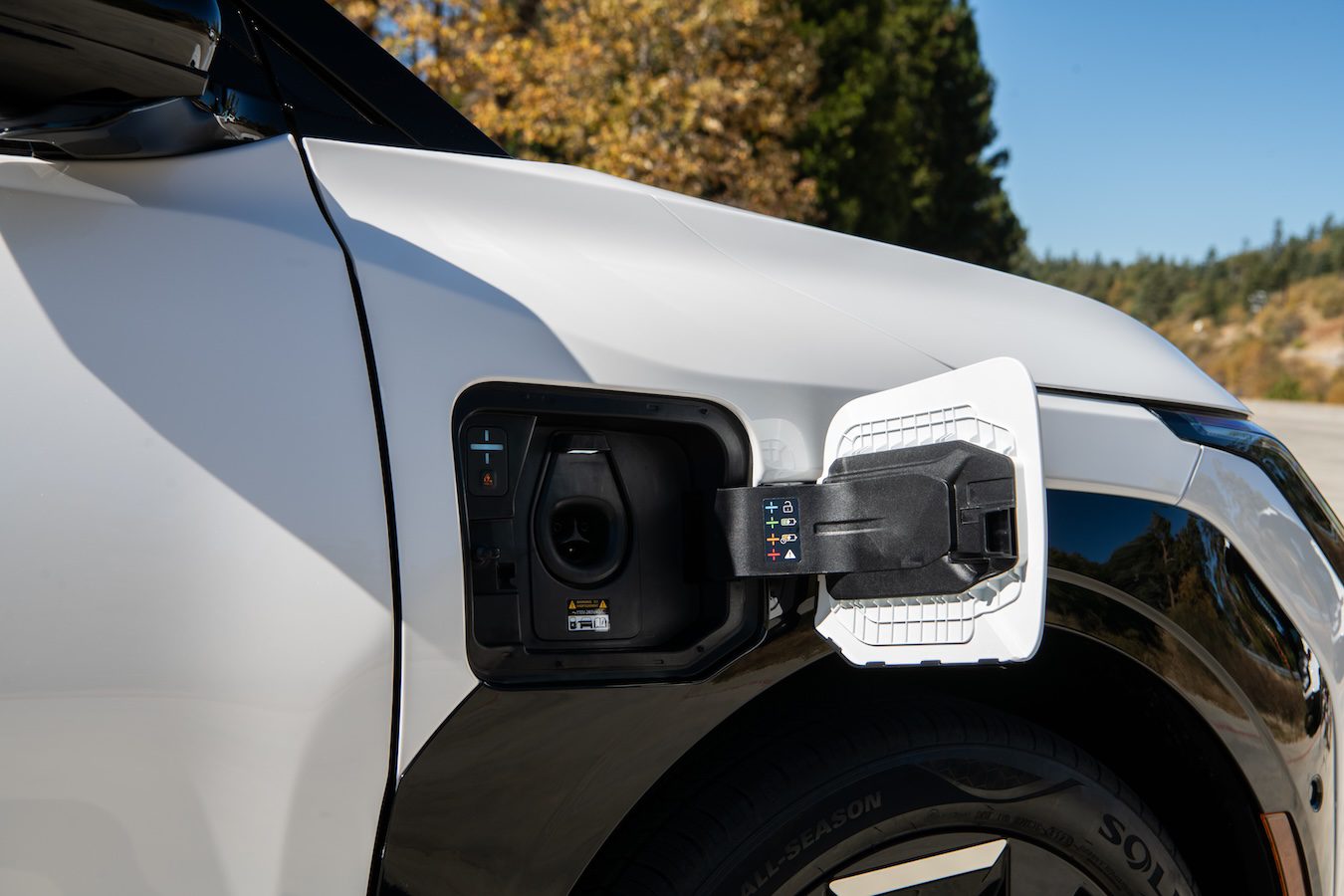
The EV3 comes in two battery sizes. The standard 58.3 kWh offers 220 miles of EPA range. Step up to the 81.4 kWh long-range version and you get 320 miles. Both charge from 10 to 80 percent in roughly 30 minutes on DC fast-charging infrastructure, using Kia’s native NACS port. Five trim levels span Light to GT, giving buyers choice at an entry-level price point.
The EV3 leverages the same platform architecture as Kia’s larger EV6, compressing efficiency and capability into a footprint that costs a fraction of what competitors charge. Chevy’s Bolt EV, the only other mass-market electric under $35,000, has been pulled from production. Volvo killed the U.S. version of its EX30 compact EV. BMW’s i4 starts at $48,000. Hyundai’s Ioniq 5 begins above $41,000. The Kia EV3 will sit alone in the true affordable segment when it launches in late 2026.
 Why This Matters Now
The auto industry has collectively decided that EV profitability requires either scale (Tesla) or targeting affluent buyers. General Motors halted its Factory Zero plant, meant to build affordable electric trucks, to instead shift production toward $100,000 luxury vehicles. Ford and Porsche have each written off billions in EV losses. The market for cheap EVs has been declared uneconomical.
Kia isn’t making that bet. The Korean automaker set a U.S. sales record in the first quarter of 2026 while Detroit slid backward. Hyundai-Kia announced 36 new models planned for the American market. The company is already producing the EV2, a smaller platform, in Slovakia with a 200 million-plus euro investment for Europe. The EV3 represents the same commitment to volume at margin: build small electric cars people can actually afford and see if the market bites.
The tailwind is real. Gasoline prices sit at $4.02 per gallon, their highest level since late 2022. Electric power has not meaningfully risen. The math between charging at home and filling up at a pump is back in favor of electrons. That pressure exists whether the federal credit does or not.
 The Kia EV6 Problem
There’s a cautionary tale embedded in Kia’s recent history. The EV6 launched in 2021 as a stylish, capable electric sedan-coupe that received universal praise. By February 2026, sales had collapsed to 600 units, a 53 percent drop from the previous month. The EV6’s positioning in the $40,000-plus segment meant it competed directly with Tesla’s Model 3 and Y, where Kia lacks brand advantage and customers increasingly buy used. The EV3, by contrast, enters a segment with no direct competition at the price point. Nobody else is selling a 320-mile EV for $30,000.
Whether affordability alone can restart EV adoption without a federal credit remains the open bet. Kia’s answer is yes. If they’re right, the EV3 becomes the first proof point that electric cars don’t require government money to succeed. If they’re wrong, it confirms what the rest of Detroit believes: affordable EVs are a losing proposition.
The New York Auto Show didn’t move the stock market or generate the breathless coverage that surrounds a new supercar or luxury sedan. But the EV3’s debut may matter more than any electric vehicle Americans have seen this year. It’s the product the market asked for when nobody was listening. In a category down 28 percent, a company willing to build cheap, practical EVs has positioned itself to win. Other automakers are extending their own EV incentives to prop up demand. Kia is trying something different: just making the car cheaper.