July 20, 2026
On June 20, an unoccupied Zoox robotaxi in Las Vegas drove into heavy smoke that concealed an active fire scene, braked, and stopped. A Zoox teleguidance operator backed it out; no one was hurt, and no cones had yet been placed at the point where the vehicle entered. On July 17, Zoox answered with a software recall covering all 105 of its robotaxis and shipped a fleet-wide update the same day, adding the ability to detect and respond to heavy smoke in certain situations.
The filing is a first. No AV company had previously filed a software recall specifically for failing to perceive an emergency scene, and the timing is not subtle: it lands three weeks after NHTSA sent every driverless developer a letter calling vehicles that mishandle first responders a danger to the public, with responses due by the end of July. Zoox, an Amazon subsidiary, effectively answered early and in public.
Credit the response: Zoox self-reported, fixed the entire fleet in a single day, 27 days after the incident, with zero injuries on the record. The company calls it “the only event of this kind.” The harder question is the defense itself. “No cones present” is procedurally true and strategically damning, because unmarked is what emergency scenes are for their first several minutes. Firefighters do not stage traffic control before they stage hoses. A perception stack that needs the scene formatted before it can read it is exactly what the NHTSA letter was written about, and the California enforcement regime that took effect July 1 assumes the same gap.
Detroit ran the human version of the test
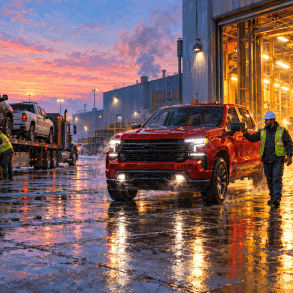
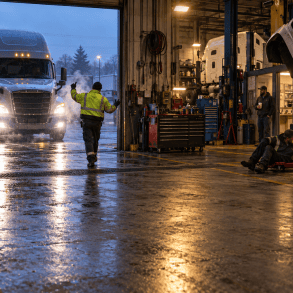
The same two days, July 16 and 17, metro Detroit recorded an AQI above 800, the worst air quality in the world by IQAir’s ranking, as Canadian and Minnesota wildfire smoke settled over the city. At Ford Michigan Assembly in Wayne, dozens of line workers went to the plant medical unit and some left by ambulance, with in-plant temperatures between 88 and 100 degrees compounding the exposure. GM said it was monitoring worker health across its Michigan sites. Every Big Three plant stayed open.
The fair question is not whether the plants should have closed. It is that nobody can point to the number at which they would. Assembly plants have wage schedules, takt times, and safety protocols for presses and paint shops, but no automaker publishes an air-quality threshold that stops a line. This week established that AQI 800 with ambulances at the door is below whatever that threshold is.
Both failures assume a legible world
Put the two stories together and the week produced one insight. Every autonomy roadmap assumes an environment that sensors can parse: marked scenes, visible lanes, air you can see through. Every plant schedule assumes workers can breathe what the shift hands them. Wildfire smoke broke both assumptions at once, and it is no longer an anomaly; it is a recurring summer operating condition for exactly the region where North America builds its cars.
Zoox patched its fleet in a day, which is the advantage machines have. The plants have no equivalent update to ship. Watch two dates: the end-of-July NHTSA response deadline, where every AV developer now files against the standard Zoox accidentally set, and the next AQI spike, which will test whether any automaker wrote a number down.