

March 13, 2026
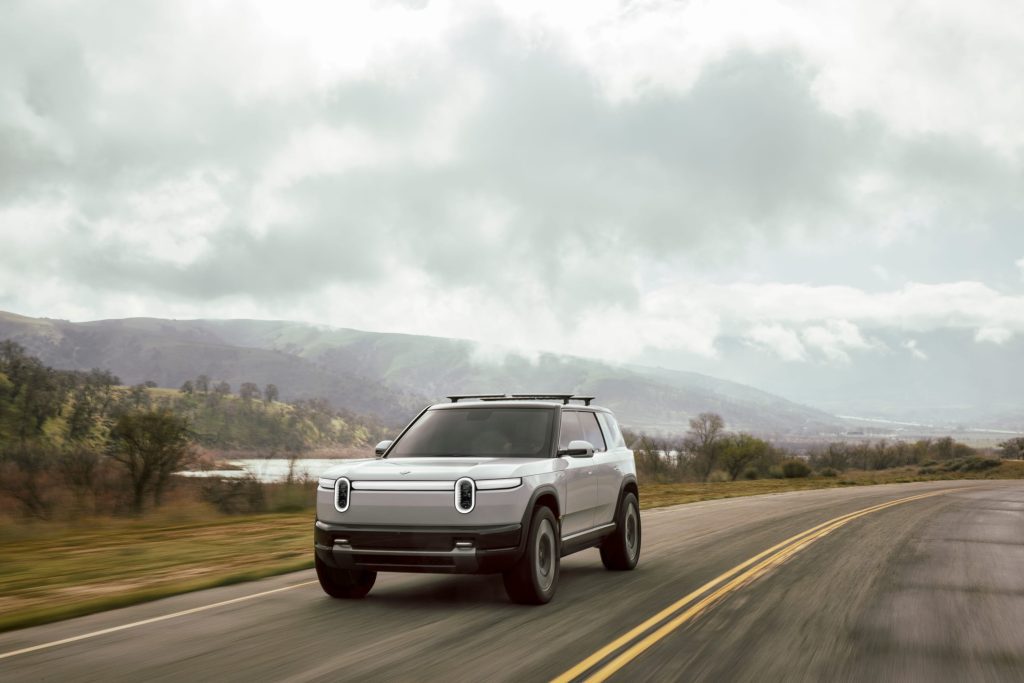
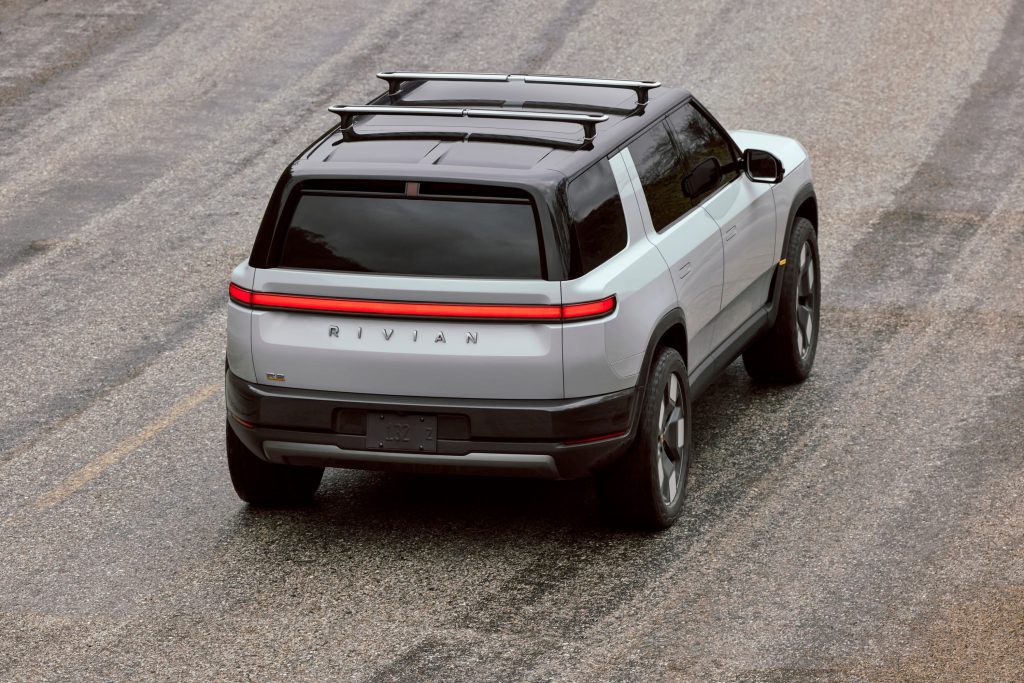
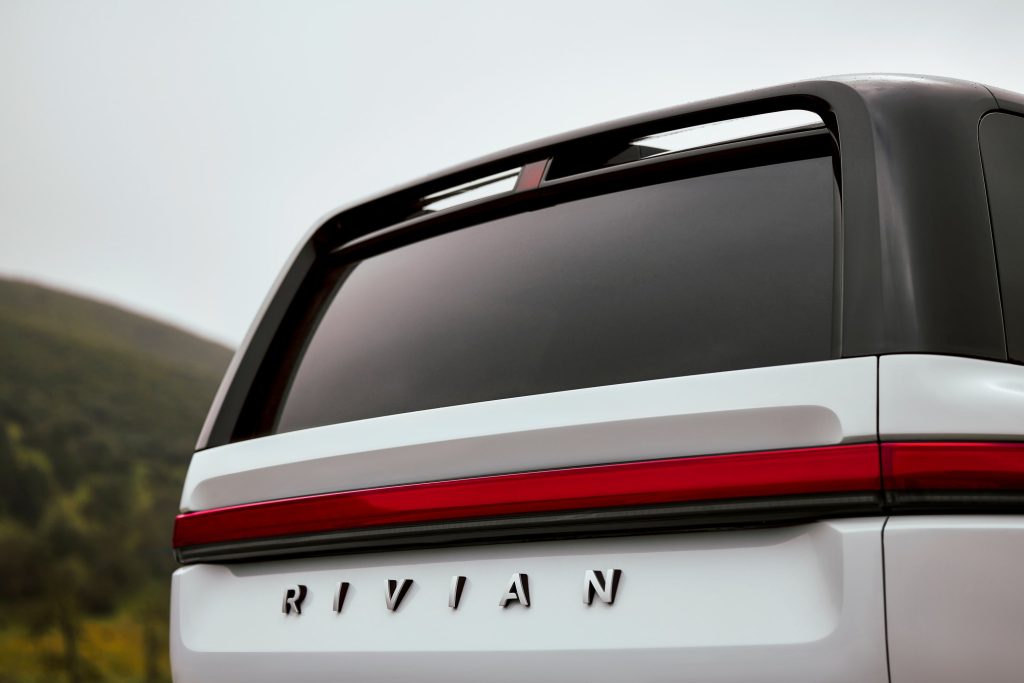
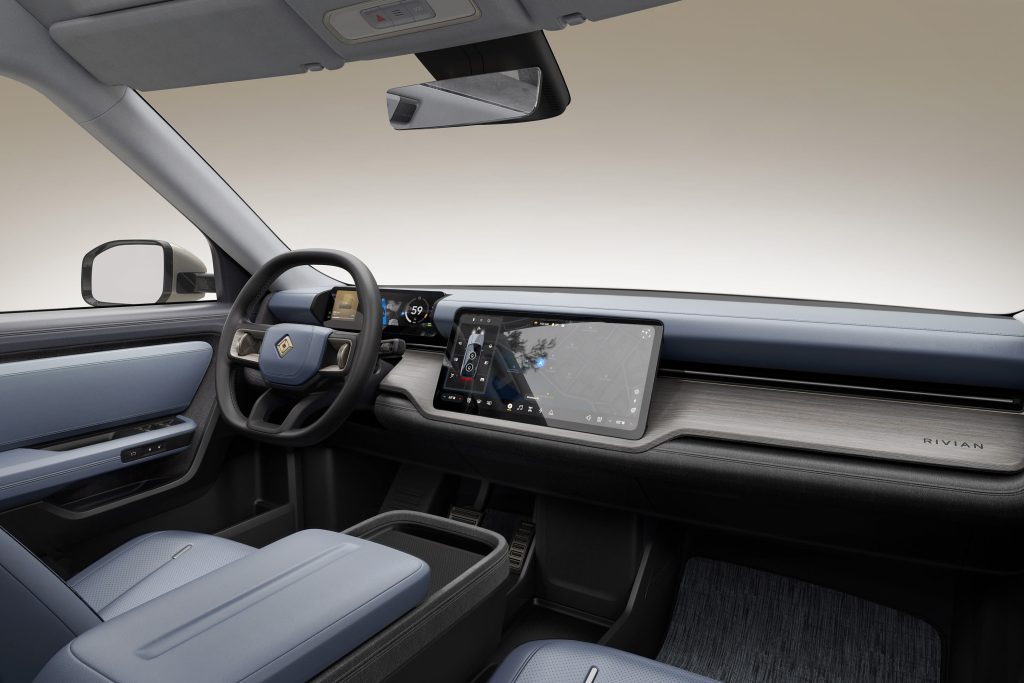
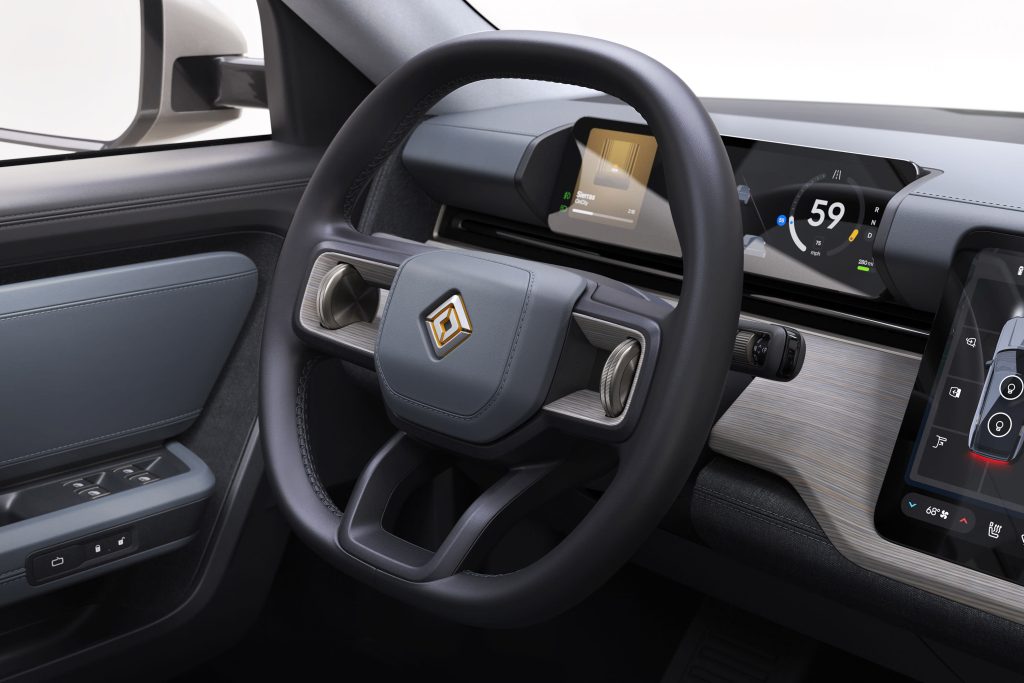
Two years ago, Rivian showed the world a compact electric SUV and put $45,000 next to it. The internet lost its mind. An American startup was going to build a Tesla Model Y competitor at a price regular people could afford. The reservation list reportedly surged past 100,000.
Yesterday at SXSW in Austin, the full Rivian R2 pricing was revealed. The Performance Launch Edition opens at $57,990. It delivers 330 miles of EPA-estimated range from an 87.9 kWh battery, produces 656 horsepower through a quad-motor drivetrain, and hits 60 miles per hour in 3.6 seconds. A Premium AWD variant will follow later in 2026 at $53,990. The Standard model, the one at $45,000, is penciled for late 2027.
That’s not a launch. That’s a bait-and-switch wrapped in a performance spec sheet.
The Rivian R2 Pricing Gap Nobody Wanted
The $13,000 gap between the teased price and the actual launch price is a problem Rivian can explain but can’t spin. Battery costs haven’t fallen as fast as projected. The tariff environment has pushed component costs higher. And Rivian, unlike Toyota or Hyundai, doesn’t have a profitable combustion portfolio to subsidize early EV pricing.
The Performance Launch Edition strategy is straight from Tesla’s playbook: sell the expensive version first to capture early adopters and margin, then work down the price curve. Tesla did it with every model from the original Roadster to the Model 3. The difference is Tesla executed that playbook during a period of declining battery costs and no real EV competition. Rivian is trying it in 2026, when battery costs are rising due to material constraints, gas is at $3.59 a gallon, and the competitive landscape includes a refreshed Model Y, the Chevy Equinox EV at around $35,000, and Hyundai’s IONIQ 5 starting in the low $40,000s.
At $57,990, the R2 Performance Launch Edition competes with the Tesla Model Y Performance, the BMW iX xDrive40, and the upper trims of the Hyundai IONIQ 5. That’s a very different market than the one Rivian positioned itself in with that $45,000 number.
The Spec Sheet Is Impressive
Credit where it’s due: Rivian built a vehicle that’s genuinely competitive on paper. The 330-mile range is strong for a compact SUV, matching or exceeding most rivals. The 87.9 kWh battery is efficiently packaged. The 656-horsepower quad-motor system with 4,400 pounds of towing capacity addresses the “electric SUVs can’t do SUV things” objection that has held back adoption among traditional truck and SUV buyers.
The lifetime Autonomy+ subscription is an interesting wrinkle. Rather than charging an annual fee for driver-assist features (Tesla’s approach with FSD, which is under heavy NHTSA scrutiny), Rivian is bundling lifetime access into the vehicle price. That’s a simpler value proposition and avoids the subscription fatigue that has soured consumers on features-as-a-service across the auto industry.
First deliveries are expected in June 2026, with Rivian targeting 20,000 to 25,000 R2 deliveries for the year. That’s an ambitious but not unreasonable ramp for a company that built its manufacturing infrastructure with Volkswagen’s backing.
The Affordable EV Gap Widens
The Rivian R2 pricing revelation lands at the worst possible moment for the “affordable EV” narrative. Honda cancelled three North American electric vehicles yesterday, absorbing a $15.7 billion writedown. Lucid unveiled a midsize platform at its Investor Day that won’t reach production for years. The Chevy Equinox EV remains the only volume BEV seriously competing near the $35,000 mark.
Meanwhile, global EV sales fell 11% in February. North American BEV sales have dropped 36% year-to-date. Ford’s BEV volume is down 70%. The market for electric vehicles at any price is contracting, and the market for affordable electric vehicles barely exists.
Rivian’s answer is essentially: we’ll sell the expensive one now and figure out the cheap one later. That’s an honest approach, but it means the company that generated the most mainstream EV excitement since the Model 3 reveal won’t actually deliver a mainstream-priced vehicle until 18 months from now.
What Rivian Has to Prove
The R2’s success depends on Rivian demonstrating something the company hasn’t yet: volume manufacturing profitability. The R1 platform lost money on every unit. The VW joint venture, which gives Rivian access to Volkswagen’s software and electrical architecture while providing VW with Rivian’s zonal computing platform, is supposed to change the cost equation. But joint venture synergies are slow to materialize, and Rivian’s cash position, while stabilized, doesn’t offer unlimited runway.
Rivian’s stock surged 8% on the reveal day, suggesting investors liked the spec sheet even if the Rivian R2 pricing disappointed. The 20-25K delivery target for 2026 is the right benchmark. If Rivian hits it with reasonable gross margins on the Performance Launch and Premium trims, the company builds credibility for the eventual $45,000 model. If it misses, or if margins disappoint, the affordable R2 becomes another EV promise that looks better on a presentation slide than on a balance sheet.
Rivian’s U.S. sales trajectory with the R1 platform showed the company can build demand for premium electric trucks and SUVs. The R2 is supposed to prove it can scale beyond the premium niche. At $57,990, that proof will take longer than anyone expected.







