March 13, 2026
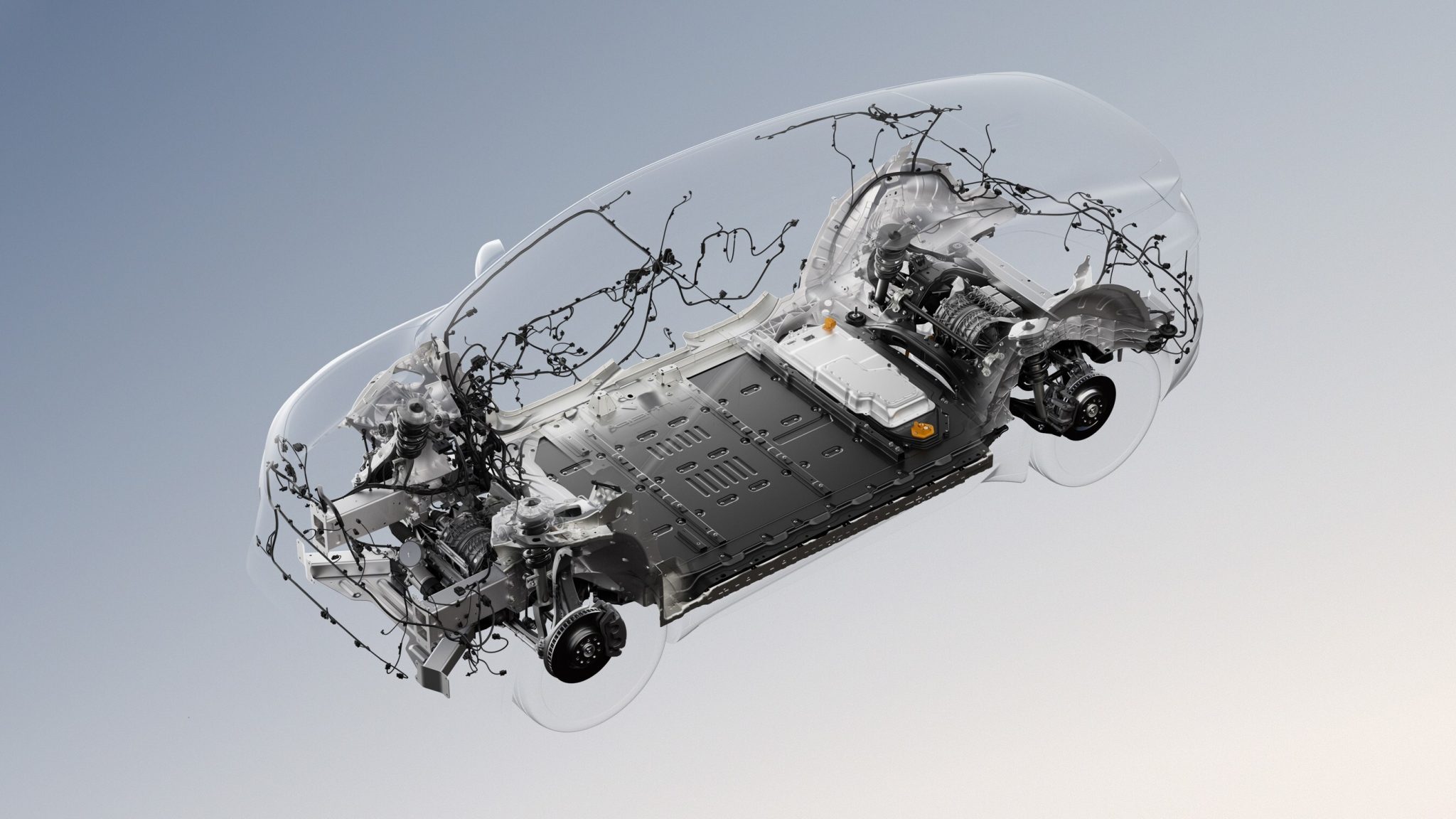
Peter Rawlinson has never lacked for vision. The former Tesla chief engineer turned Lucid CEO used the Lucid Investor Day 2026 event in Scottsdale to lay out a product roadmap that spans consumer vehicles, commercial robotaxis, and what amounts to a full-stack autonomous driving play. If even half of it comes together, Lucid transforms from a niche luxury EV maker into something resembling a real automaker.
The problem is the gap between the presentation and the bank statement. Lucid has burned through approximately $18 billion since inception. The Public Investment Fund of Saudi Arabia owns roughly 60% of common stock plus 12% in preferred shares, making the Saudi sovereign wealth fund both Lucid’s lifeline and its ultimate decision maker. Cash burn ran $3.8 billion in 2025 alone.
Against that backdrop, yesterday’s announcements need to be evaluated on two tracks: are the products compelling, and can the company survive long enough to build them?
The Midsize Platform Changes the Business Case
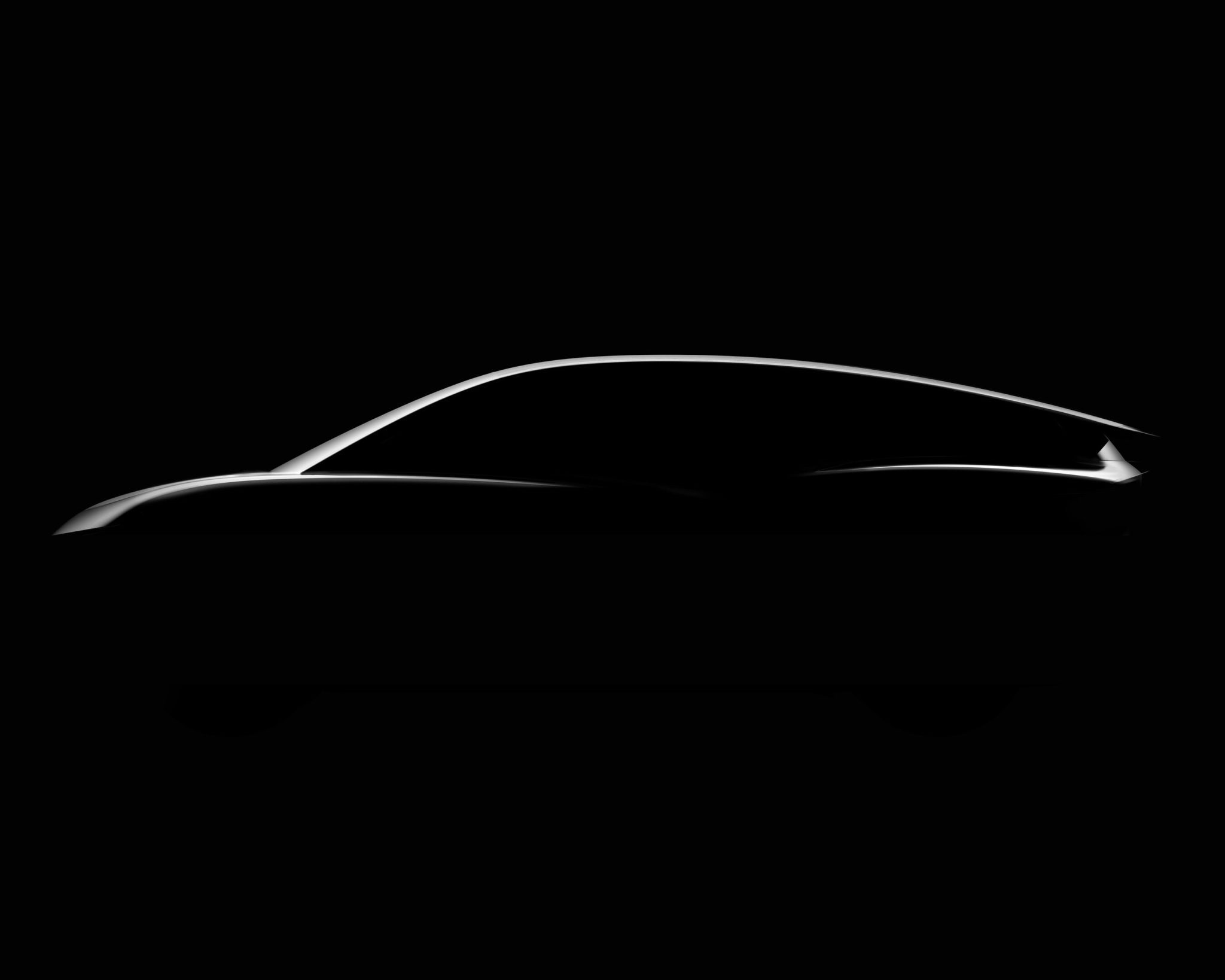
The most significant announcement was the midsize vehicle platform. Lucid has been stuck in the Air sedan’s ultra-luxury segment, where volumes are small and the competitive pressure from established European brands is relentless. The Gravity SUV, which began deliveries earlier this year, expanded the addressable market but remained a six-figure vehicle.
A midsize platform aimed at sub-$50,000 pricing opens a dramatically larger market. At that price point, Lucid would compete directly with the Tesla Model Y, Hyundai IONIQ 5, Ford Mustang Mach-E, and the Chevy Equinox EV. That’s also the segment where Rivian’s R2 just landed at $57,990, exposing how difficult it is to deliver an “affordable” premium EV.
Lucid’s claim is that its efficiency advantage (the Air holds the EPA range record at over 500 miles, and Lucid’s drivetrain technology is measurably ahead of competitors on energy consumption per mile) translates to smaller, cheaper battery packs at equivalent range. If a midsize Lucid can deliver 350 miles of range with a battery pack 15-20% smaller than competitors, the cost structure changes meaningfully.
The timeline is the catch. Lucid provided no production date for the midsize platform. Based on typical development cycles, 2028 or 2029 is the realistic window. At $3.8 billion in annual burn, that’s another $8-12 billion the PIF needs to fund before midsize revenue appears.
The Atlas Drivetrain and Lunar Robotaxi
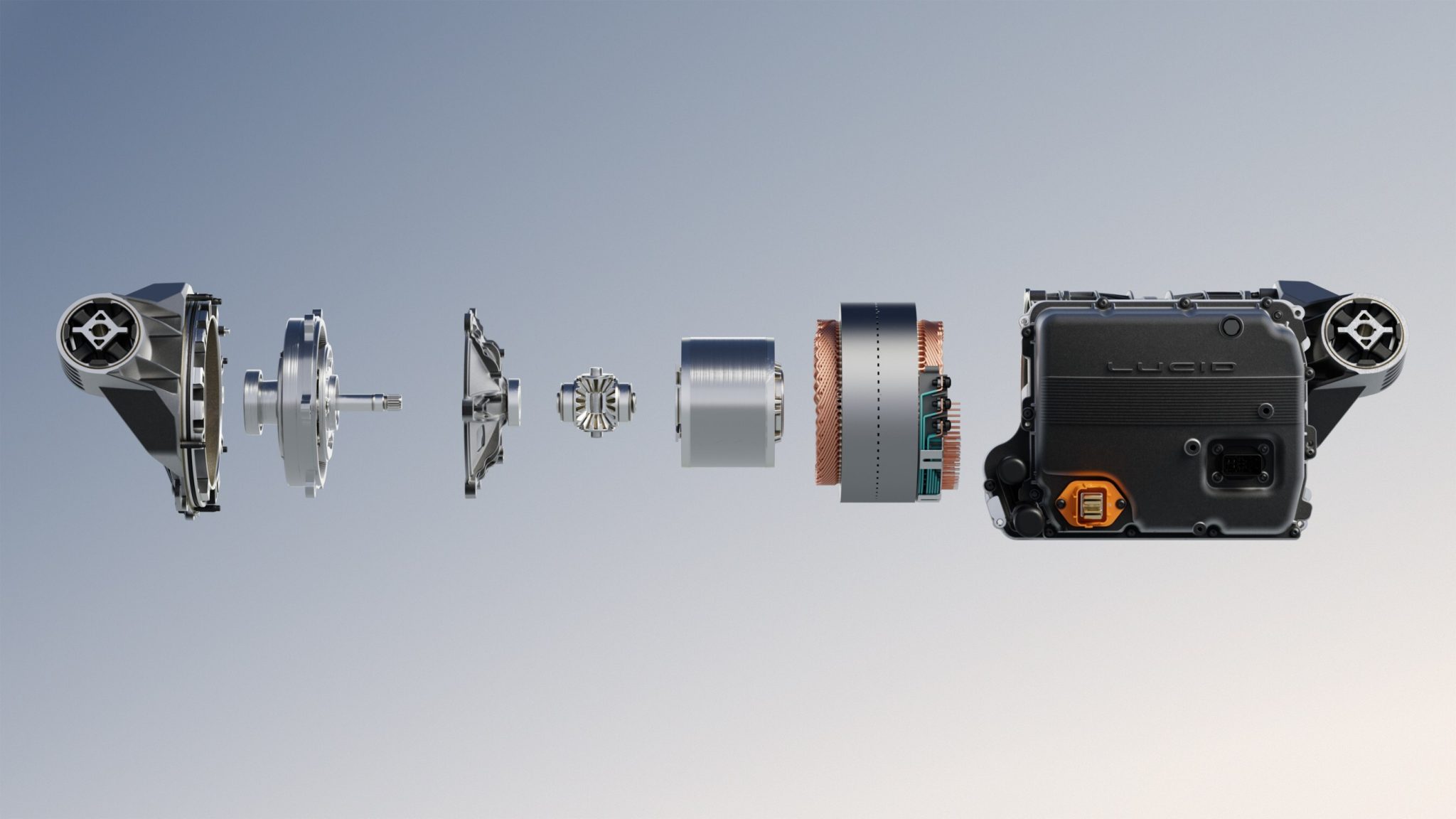
The new Atlas drivetrain represents Lucid’s second-generation powertrain technology, promising further improvements in efficiency and packaging. Combined with the midsize platform, it’s supposed to deliver the manufacturing cost reductions Lucid needs to move from luxury-only to volume-capable.
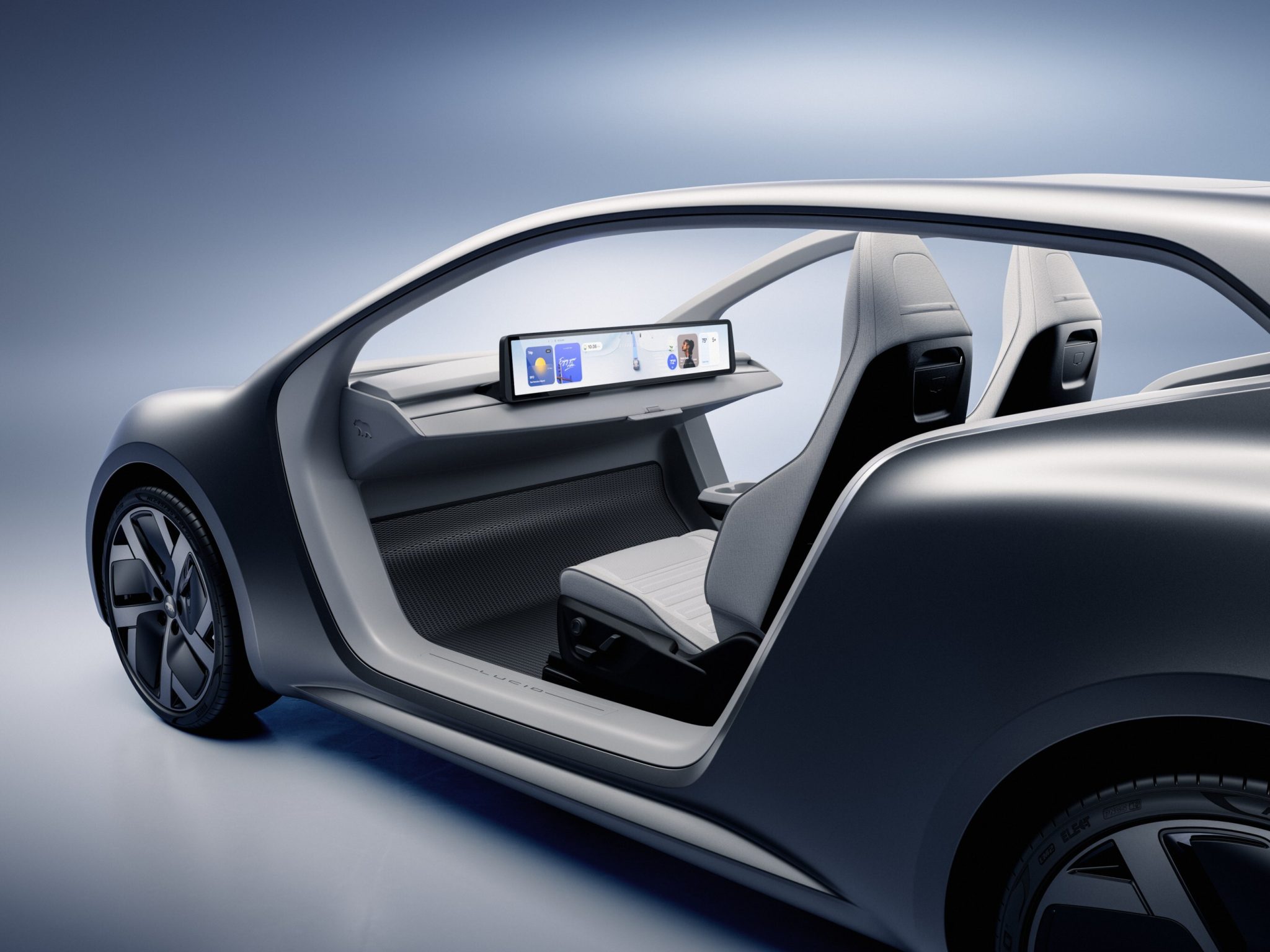
The Lunar concept was the Investor Day’s attention grabber. A two-seat autonomous robotaxi designed from scratch for ride-hailing, it looks nothing like Lucid’s consumer vehicles. The design prioritizes passenger comfort and ease of entry/exit over driving dynamics, which makes sense for a vehicle that’s supposed to operate without a human behind the wheel.
Lucid’s partnership with Uber adds credibility to the robotaxi ambition. The fireside chat between Lucid’s team and Uber’s COO at the event suggested the partnership is deepening beyond the initial Gravity-based pilot program. If Lucid can supply purpose-built robotaxis to Uber’s network, the business model shifts from selling vehicles to consumers to selling transportation platforms to fleet operators, a fundamentally different (and potentially more profitable) revenue stream.
The catch, again, is execution. Waymo has spent $16 billion and a decade to reach 10 cities. Tesla’s robotaxi effort is under active NHTSA investigation after 14 incidents in Austin. Building autonomous vehicles that work safely at scale is the hardest engineering problem in the auto industry. Lucid is a company with roughly 3,000 employees proposing to solve it while simultaneously developing a midsize consumer platform.
The CarPlay Concession
A smaller but telling announcement: Lucid is bringing Apple CarPlay and Android Auto to the Gravity SUV starting March 13. That’s a reversal from the company’s earlier position of pushing its own infotainment system. It signals that Lucid is learning from Tesla’s stubbornness on CarPlay (which has cost Tesla in consumer satisfaction surveys) and choosing pragmatism over control.
For a company fighting for every sale, removing friction from the ownership experience is exactly right. The move also suggests Lucid’s leadership is willing to make practical concessions when the data supports them, a quality that will matter enormously as the company scales.
Lucid Investor Day 2026: The $18 Billion Question
Lucid’s U.S. sales figures show a company still operating at startup scale. The 2026 target of 25,000 to 27,000 deliveries would represent meaningful growth but remains a fraction of what’s needed to approach profitability.
Lucid Investor Day 2026 presented a coherent vision: use Lucid’s technology edge to build a midsize vehicle that competes on efficiency and price, while simultaneously developing a robotaxi platform that leverages the Uber partnership for commercial volume. Both paths, if successful, could justify the PIF’s continued investment.
The global EV market adds context. Sales fell 11% worldwide in February. North America dropped 36% year-to-date. Honda just cancelled three EVs and took a $15.7 billion charge. The industry backdrop for launching new electric vehicles has never been more challenging.
Lucid is betting that its technology is good enough to succeed where others are retreating. Yesterday’s presentations made the case for why. The $18 billion already spent, and the billions more required, will determine whether the vision survives long enough to become reality.