September 21, 2026
Nissan’s September 16 release is four bullet points long before it reaches a paragraph, and the fourth bullet is the one that complicates the coverage. Bullet three is the £170 million for the Kicks e-POWER hybrid. Bullet four announces a new A-segment small electric car called PIXO, due to be unveiled within the week. Further down, the release states that from next year Sunderland will also build the all-new third-generation Juke, which for the first time will be 100% electric.
Three product actions land at one plant inside a month, and two of them are battery-electric. Neither of those two carries a stated precondition anywhere in Nissan’s own text. The hybrid does, and it appears in press briefings rather than in the release. Nissan executives told UK reporters that bringing European Kicks production to Sunderland rests on the government relaxing its zero-emission vehicle mandate, with 50% by 2030 named as the level the company wants, according to Autocar. That asymmetry is the story a wire rewrite loses, because the wire takes the release and the briefing as one announcement.
The Department for Transport opened its ZEV mandate review on August 14 and it closes at 11:59pm on October 23. The current trajectory sets a 33% car target for 2026, 80% for 2030 and 100% for 2035, and the consultation explicitly invites views on the yearly headline targets and on alternative policy approaches. A manufacturer announcing capital during an open consultation, and naming the number it wants, is submitting a response through a newsroom instead of through the portal at Great Minster House. That is a legitimate way to lobby. It is also a measurable one, which is the useful part.
188,489 Qashqais, Jukes and LEAFs were sold in Europe in 2022 in GCBC’s European series, which runs through that year, against 298,257 in 2019 and a Qashqai alone that peaked at 247,199 in 2017. The Qashqai fell from 218,946 in 2019 to 114,197 in 2022, the Juke from 106,411 at its 2013 peak to 45,710, and the European LEAF from 38,740 in 2018 to 28,582. Those are the three lines the £170 million is being added “alongside,” and the scale they have lost since the last full pre-pandemic year is the context for a plant that measures itself in one car every 1 minute 45 seconds. The Kicks allocation is a fourth nameplate for a plant whose existing three sold a third less in 2022 than in 2019.
102,726 is what the Kicks badge did in the United States in 2025, a record for the nameplate in GCBC’s Kicks series, and 55,768 through June 2026, up 10.7% on the first half of 2025; Nissan’s own second-quarter table carries the same 55,768. The American Kicks is a different, Mexico-built car with a petrol engine; the European Kicks is an e-POWER hybrid and the badge is the only thing they share. The badge is being spent on Sunderland because it is Nissan’s fastest-growing small crossover in its largest market, which is a reason to expect the European car whatever the mandate does.
£170 million buys a model allocation, not a line. Nissan’s release says the Kicks will be manufactured “alongside the Qashqai, Juke and LEAF,” and Sunderland already builds Qashqai e-POWER hybrids, with 200,000 of them built in the UK to date. The plant is adding a nameplate to an existing electrified powertrain it already knows how to assemble. Nissan’s own framing is that the investment will “safeguard manufacturing jobs,” and the company’s AMIEO chairperson described the decision as evidence of “the agility and speed with which we can bring new models to new markets.” Nobody in the release claims a single new job.
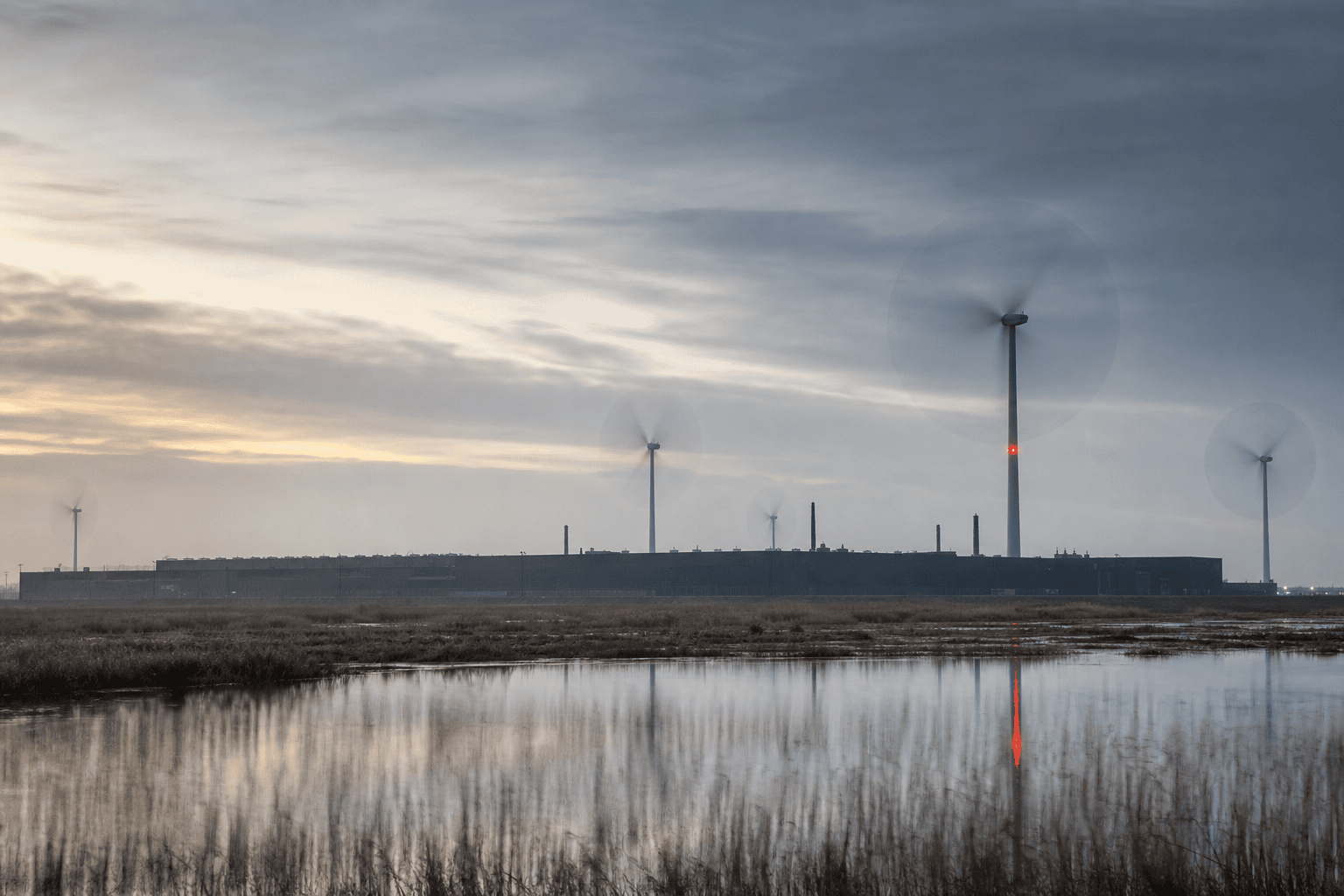
6,000 people work at Sunderland directly and the plant supports a further 30,000 in the supply chain, on £5 billion of cumulative investment across four decades. It has built 12 million vehicles since the first Bluebird in 1986, which Nissan converts into one car every 1 minute 45 seconds averaged over 40 years. Those are the numbers a mandate decision gets weighed against, and they are why a £170 million allocation to Britain’s largest single car plant generates a cabinet-level quote. The Secretary of State for Business and Trade called it “a huge vote of confidence in the UK’s manufacturing expertise.”
1.9 million e-POWER vehicles have sold globally since 2016, and the powertrain is routinely miscounted in coverage of this announcement. In Nissan’s design the wheels are driven solely by an electric motor and the petrol engine only generates electricity to charge the battery. It is a series hybrid with no plug, so it produces tailpipe emissions and earns a manufacturer nothing against a zero-emission target. Kicks gets the third-generation system launched in 2025. A plant that adds e-POWER capacity is adding capacity the mandate, as currently written, counts against it.
Nissan already builds the European LEAF at Sunderland and will add an electric Juke next year, which makes the battery-electric half of this month’s news the more informative one. The company is running an electric product plan at the plant and asking for the compliance schedule to slow down while it does. Those positions are compatible, and holding both is a rational answer to a 33% target the market has not met. They are also the reason a commitment announced during a consultation should be read for what it is contingent on rather than for its headline figure, which is the discipline this entire category of announcement now requires.
October 23 is the date that resolves it. If the mandate trajectory moves and the Kicks allocation proceeds, the £170 million will have been the most efficient consultation response any manufacturer filed this year. If the trajectory holds and the Kicks arrives anyway, the condition was a negotiating position and should be described as one in the next round. Either outcome is legible against a number that did not exist before September 16, which is the only reason the number matters.