When Auto Guangzhou 2025 opened November 21, Chinese media called it the “final A-class auto show of the 14th Five-Year Plan” and the checkpoint where brands prove they belong in the next round. The 93 new model debuts backed that assessment with production-ready vehicles demonstrating who mastered dual-threat capability: electrification plus intelligence simultaneously. Brands showing only one or neither face what domestic analysts now openly call 淘汰赛 (táotài sài) – the elimination tournament.
TLDR
Guangzhou displayed 1,085 vehicles with 629 NEVs (58% concentration) and 93 debuts showing China’s market operates on dual requirements: credible NEV technology plus advanced driver assistance at every price point. Joint ventures attempted “oil-electric parallel” strategies while domestic brands demonstrated production vehicles with technologies Western manufacturers discuss in five-year plans. The show functions as a survival checkpoint determining who enters the consolidation phase with momentum versus who faces marginalization.
GUANGZHOU 2025 BY THE NUMBERS
- 1,085 vehicles on display through November 30
- 629 NEVs (58% of total show floor)
- 93 new model debuts
- Theme: “New Technology, New Life” (新科技·新生活)
The Budget Warfare Zone
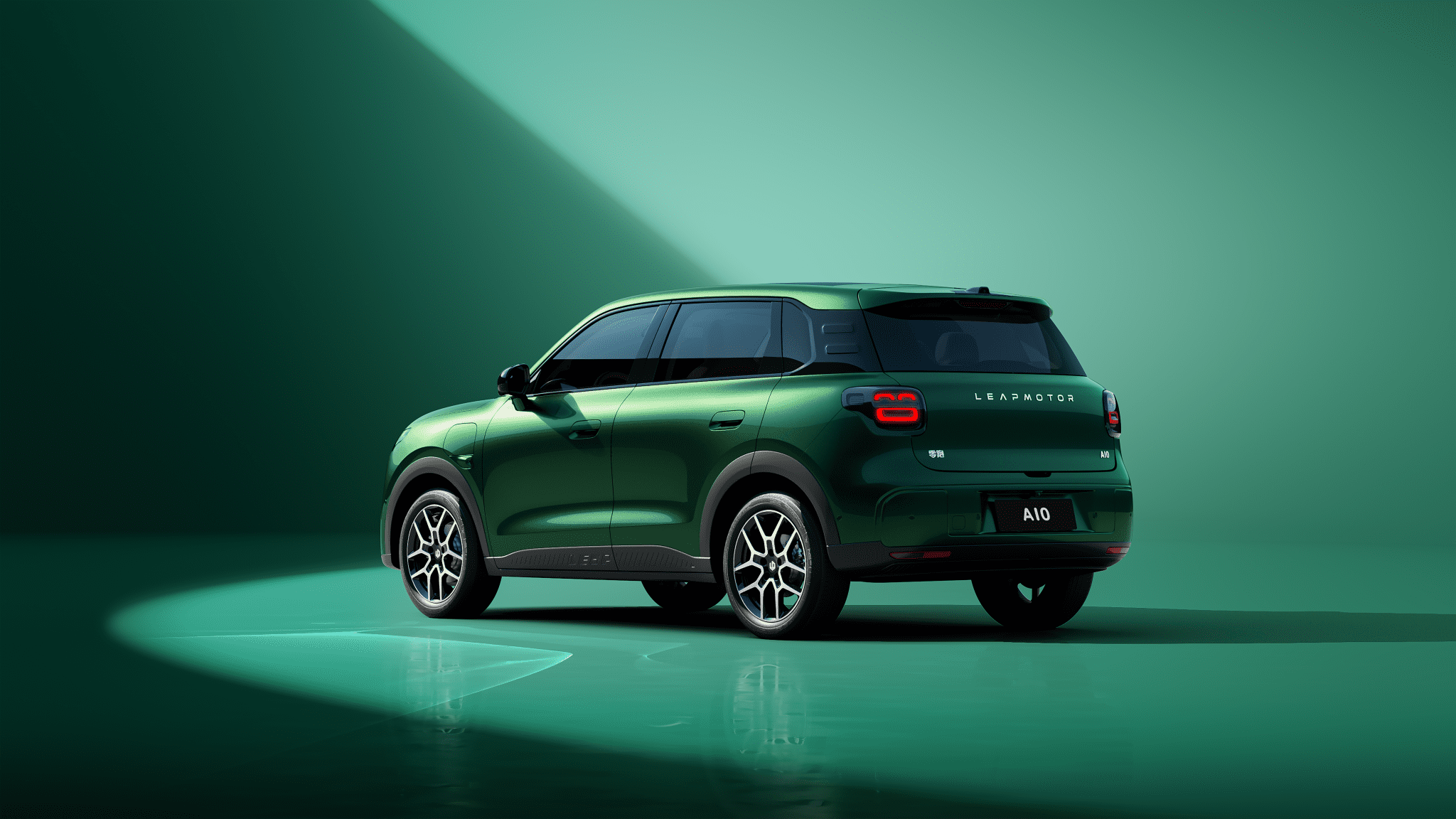
Leapmotor arrived at Guangzhou with three models targeting what Chinese coverage calls the “8-12万 yuan entry market bloodbath”:
Leapmotor’s Triple Threat:
- A10 small electric SUV – Under 80,000 yuan ($11,000) with roof-mounted lidar
- Lafa5 – 105,800-131,800 yuan pre-sale, 515-605 km CLTC range, 8295 chip plus lidar
- D19 flagship large SUV – EREV with 80.3 kWh battery (500+ km pure-electric CLTC) or BEV with 115 kWh (700+ km), both using 1,000-volt architecture
Other Budget ADAS Contenders:
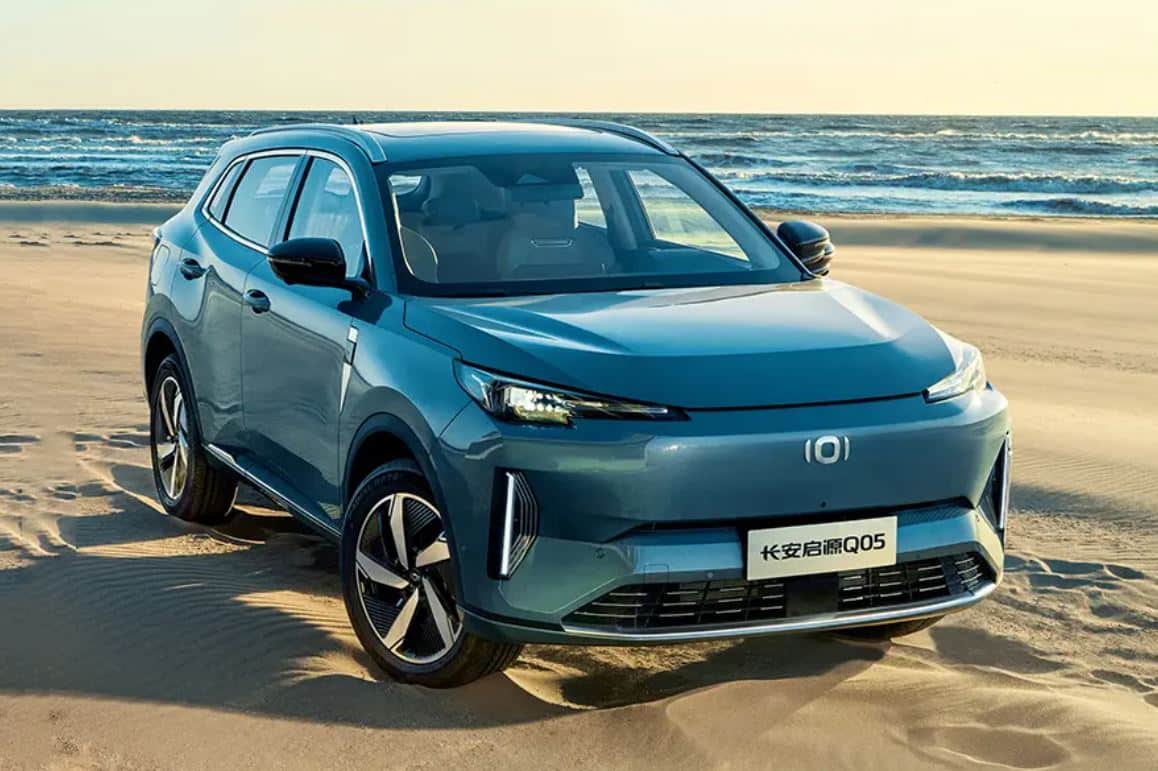
- Changan Qiyuan Q05 – Pure-electric small SUV, standard lidar all trims, 506 km CLTC, expected 100,000-120,000 yuan
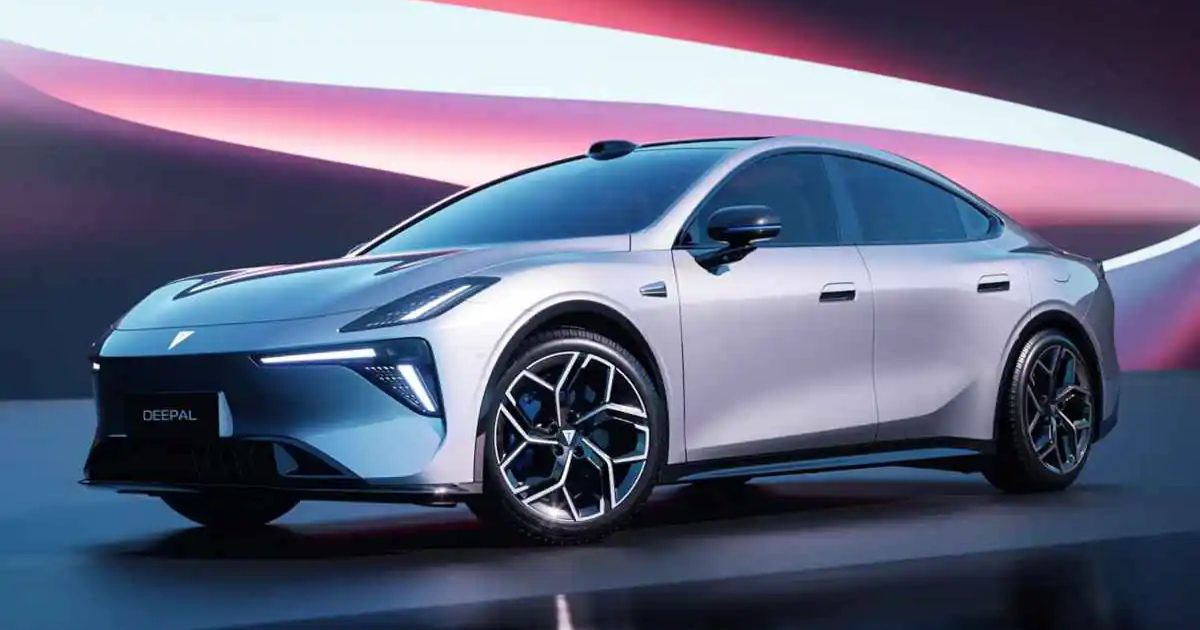
- DeepBlue L06 – Entry model marketed as “supercar handling + advanced ADAS + smooth cockpit” at budget prices
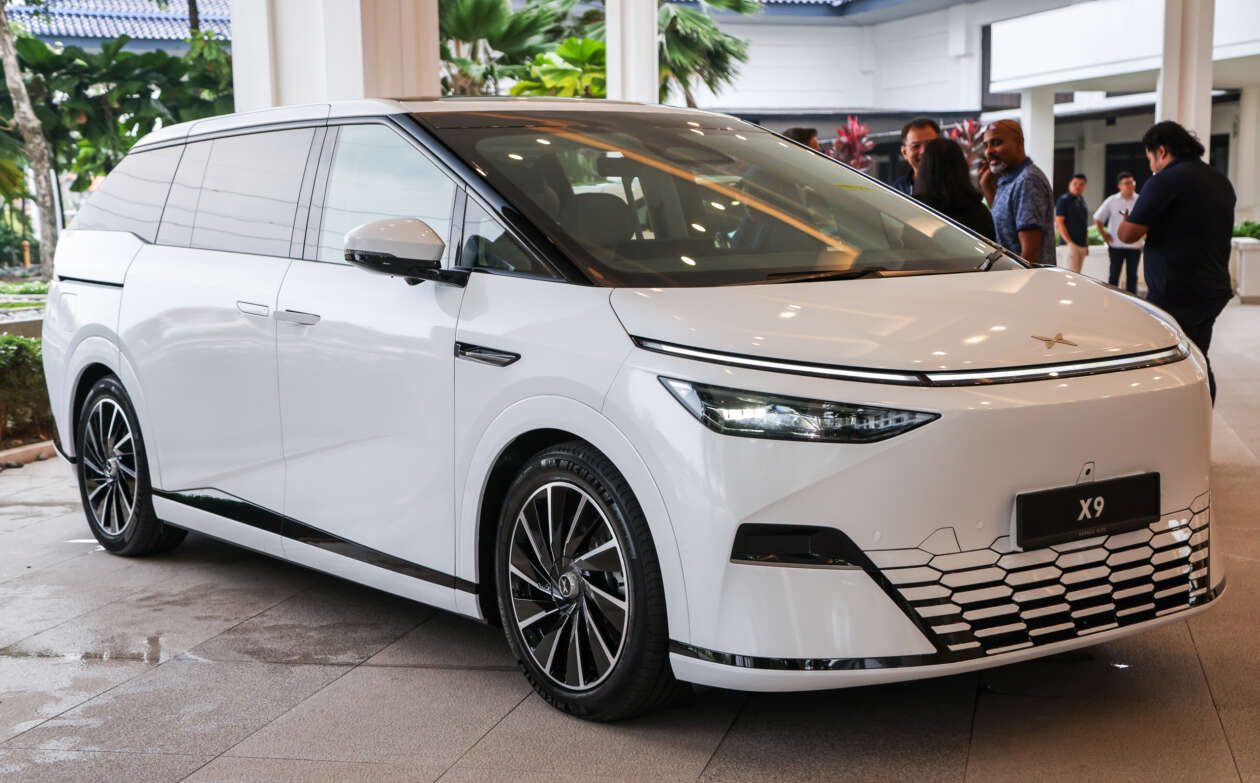
- Xpeng X9 EREV – Launched November 20, 1,602 km combined range
Domestic commentary frames this segment explicitly: “The 100,000 yuan bracket became the most intensely competitive field, from the 80,000 yuan Leapmotor A10 to the Qiyuan Q05 just over 100,000, the value-for-money war reached fever pitch.”
THE STRATEGIC SHIFT: Brands deploying lidar, high-compute chips, and NOA-capable systems at price points where Western manufacturers still debate whether to include backup cameras. This represents cost structure advantage rather than temporary subsidies, establishing table stakes that translate globally within 24 months.
The Premium Assault
Lantu’s “Triple Flagship” Strategy:
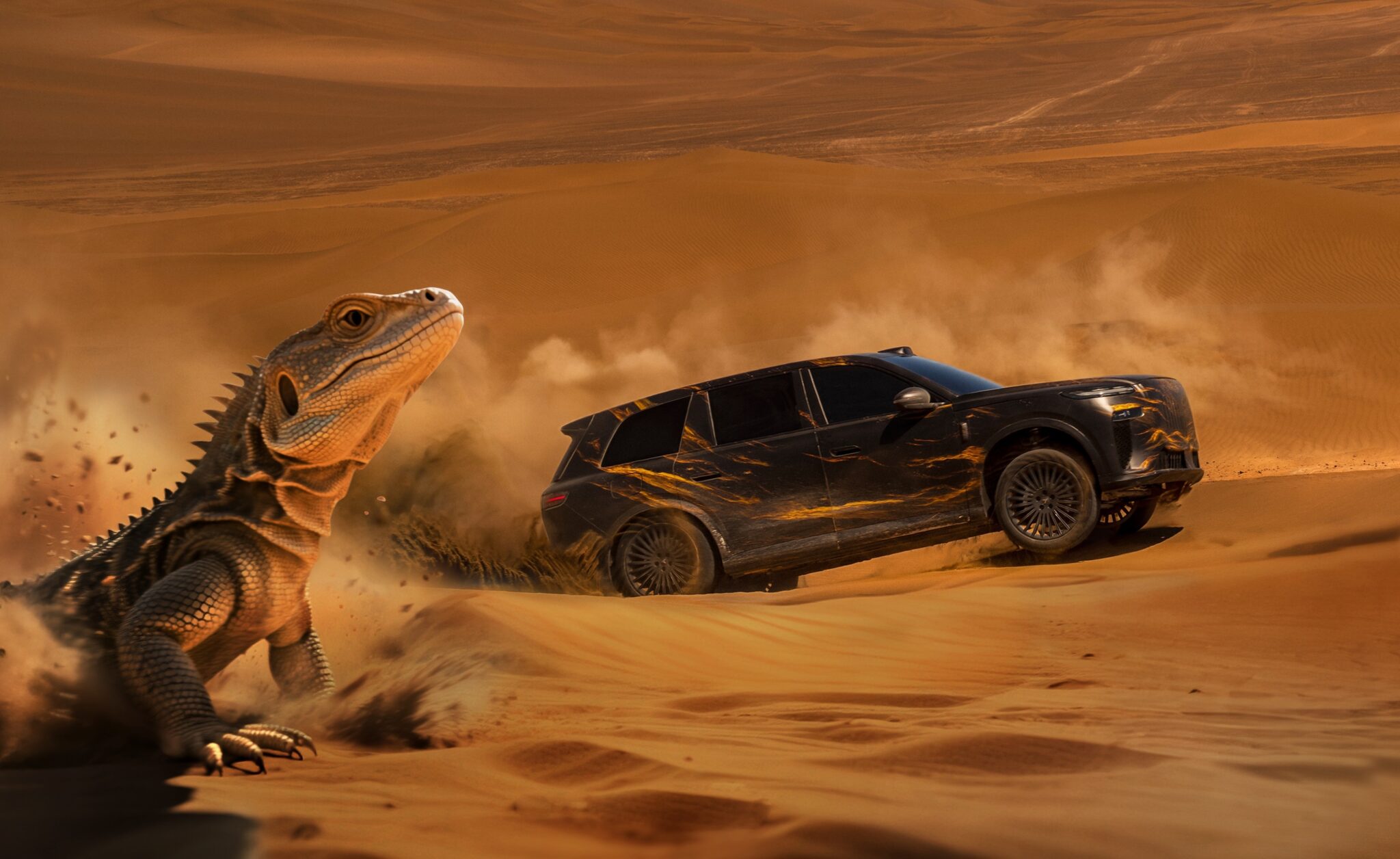
- Taishan SUV – 500,000 yuan ($69,000), 800V charging adds 450 km in 10 minutes, Huawei ADS 4.0 + HarmonyOS 5
- Zhaiguang L sedan – 63 kWh pack, 410 km pure-electric range, 20-80% charge in 12 minutes
- Dreamer Shanhé Edition MPV – Four-seat luxury with marble flooring, 500,000+ yuan targeting Lexus LM
Other Premium NEV Debuts:
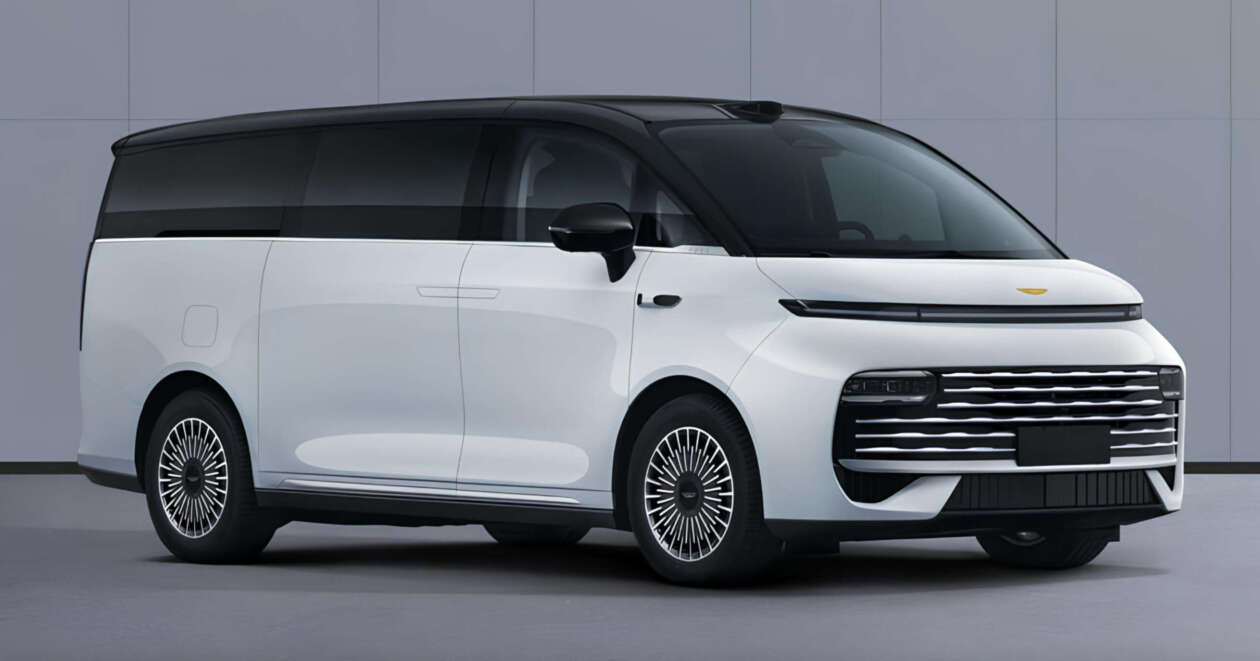
- Geely Galaxy V900 – 5,360 mm flagship MPV, 1.5L EREV, ~202 km pure-electric range, roof lidar, dual sliding doors
Screenshot - GAC Haobo A800 – 5.13m EREV sedan, Huawei ADS 4 + HarmonySpace 5, three-sided flip headlights, 6m LED ring
- 享界S9 (Huawei ecosystem) – Pure BEV: 816 km CLTC / EREV: 372 km pure-electric + 1,378 km combined
THE DOMESTIC NARRATIVE: Chinese media describe this premium segment without apology: “Domestic brands now directly challenge BBA plus Japanese flagships” (自主品牌向上突破). The technology advantages compound through Huawei partnerships providing cockpit and ADAS integration Western luxury brands can’t match at equivalent pricing. When three-row buyers want 800-volt charging, lidar-based ADAS, and legitimate luxury execution, domestic options now provide all three simultaneously.
The Joint Venture Stress Test
Joint Venture “Oil-Electric Parallel” Strategy:
- Toyota – GAC Toyota Wildlander and FAW Toyota RAV4 facelift emphasizing 5th-gen THS hybrid
- Dongfeng Nissan Teana – HarmonySpace 5 cockpit, 139,900-167,900 yuan (limited-time 129,900-157,900 yuan)
- SAIC VW Lavida Pro – “National family sedan advanced version” with larger size, upgraded interiors
- Geely Emgrand – Updated “evergreen tree” domestic compact
THE STRATEGIC CHALLENGE: Joint ventures attempted what Chinese coverage calls “油电并行” (yóu-diàn bìngxíng – oil-electric parallel) strategies: refreshing ICE stalwarts while launching or localizing EVs with technology partners. But NEV retail share nationally exceeded 50% and Guangzhou’s show floor demonstrated 58% concentration.
Chinese analysts openly question whether joint venture product structures can maintain relevance. One widely-shared piece noted: “Joint ventures try a straddle strategy refreshing traditional models plus launching EVs with Huawei or other tech partners, but because NEV share blew past 50% nationally, their structure can’t keep up.”
The Nissan Example: The Teana with Huawei cockpit exemplifies the challenge. Bolting HarmonySpace onto a joint venture sedan demonstrates awareness without solving fundamental disadvantages: domestic brands develop integrated vehicle platforms incorporating advanced electronics from initial design rather than retrofitting partnerships onto legacy architectures.
The Consolidation Pattern
Guangzhou functions as checkpoint rather than celebration. Chinese automotive media frame 2025 explicitly as “淘汰赛加速年” (táotài sài jiāsù nián – elimination round acceleration year) where brands demonstrate dual-line capability: electrification rolling cost competitiveness plus intelligence rolling experience quality. Brands lacking credible paths on both face what coverage describes as “waiting for market marginalization.”
THE DUAL-THREAT REQUIREMENT:
- Electrification capability – Credible NEV technology with competitive pricing
- Intelligence capability – Advanced ADAS, smart cockpits, ecosystem integration
- Result: Brands showing only one or neither face elimination
The show’s 93 debuts prove production velocity gaps between markets. While Western manufacturers plan heritage displays and influencer activations, Chinese brands deploy lidar systems in $11,000 vehicles, 800-volt charging in $69,000 flagships, and complete ecosystem integration through technology partnerships that provide capabilities joint ventures can’t replicate through component sourcing.
TIMELINE TO WESTERN MARKETS: This consolidation pattern reaches Western markets on delayed timelines, typically 18-24 months behind Chinese domestic deployment. When brands demonstrating Guangzhou’s dual-threat capability enter established markets with pricing advantages and technology leads simultaneously, the elimination tournament format translates globally. Good luck defending market share when competitors offer lidar-equipped EVs at compact sedan pricing while incumbents debate backup camera specifications.