November 29, 2026
The flood stopped the parts, not the plants
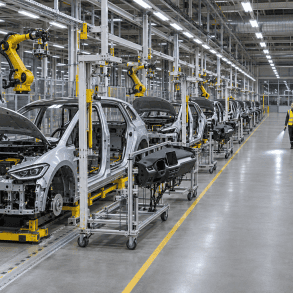
Thailand’s car plants built 87,938 vehicles in October, about 35% fewer than a year earlier, the Federation of Thai Industries said in its October production report on November 24. Flooding from late September to mid-October stopped parts deliveries to several assembly plants and kept some workers from reaching them. The federation says every line was back to full running by mid-October, but the month’s output was down more than 26% on September.
The drop was not spread evenly. Combustion and hybrid car output collapsed while battery-electric output rose. Thailand is now running two car industries on two supply chains, and the flood reached only one of them.
Two-thirds of the combustion and hybrid cars went missing
Thai plants built 8,765 combustion-engine passenger cars and 7,991 hybrids in October, each down by almost two-thirds on a year earlier. Battery-electric car output went the other way, up by half to 14,104.
That made electric cars 44% of the passenger cars Thailand built in October, against about 17% a year earlier. The split did not start with the flood. Over the first ten months, combustion-engine car output fell 36% and battery-electric output rose 67%. October pushed that change much further in a single month, because the lines that lost their parts were the combustion and hybrid ones.
Toyota’s Thai unit suspended three of its plants and a facility at its Toyota Auto Works joint venture because parts could not reach them, according to a Reuters report on September 30. Honda paused its Prachin Buri and Ayutthaya plants from October 2 to 6, according to The Nation’s October 2 report, and planned overtime shifts to recover the lost output. The chairman of the federation’s automotive club said in early October that Chinese and European carmakers were running normally because they buy from different supplier networks, as The Nation’s October 8 report put it.
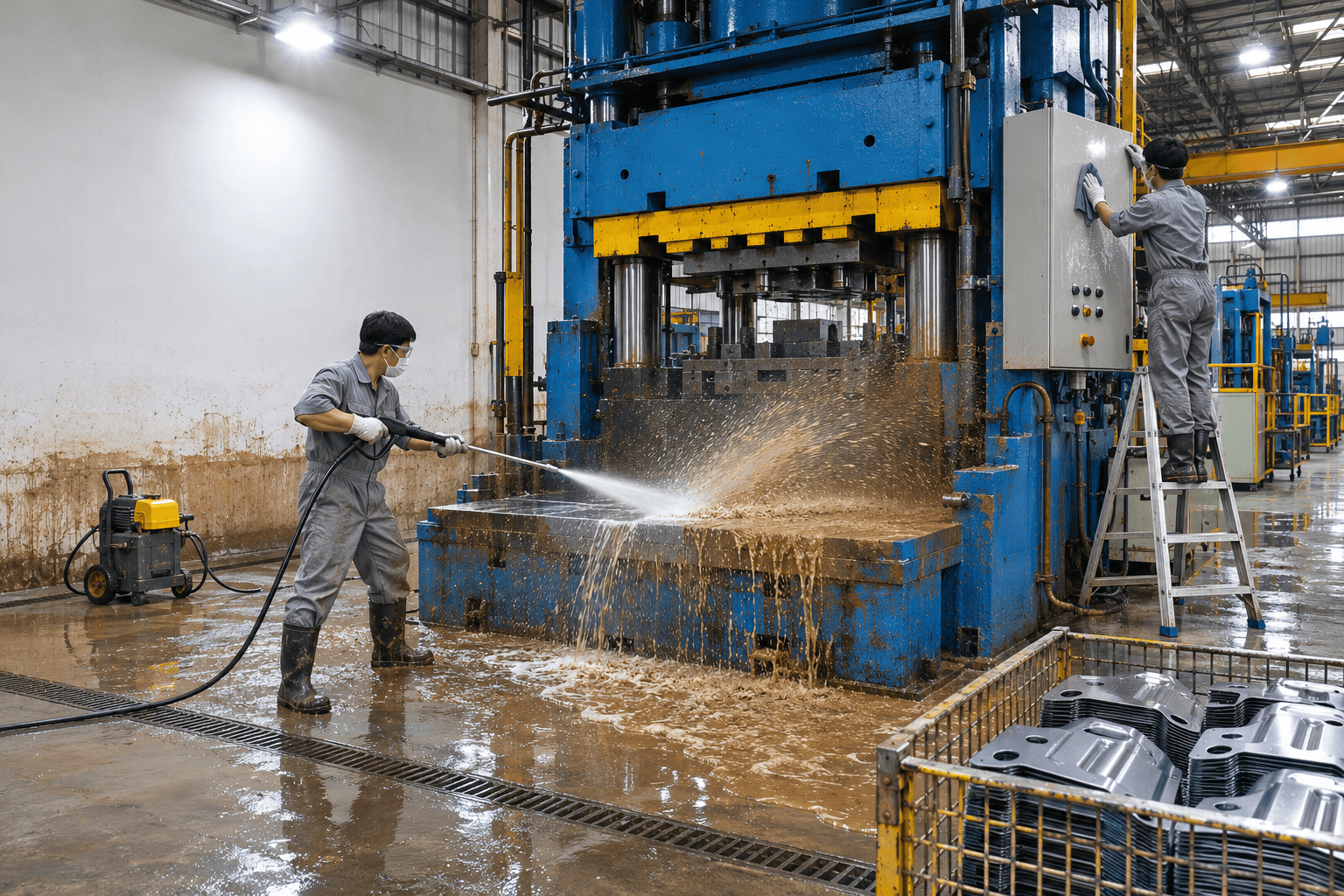
Floodwater at Amata City Chonburi, an industrial estate southeast of Bangkok, reached the parts makers, not the assembly plants. More than 10 parts factories there stopped after an earth embankment gave way, according to the same report, and a carmaker running just-in-time production keeps too little stock to ride out the loss of a single-source supplier.
Pickups carried the export loss
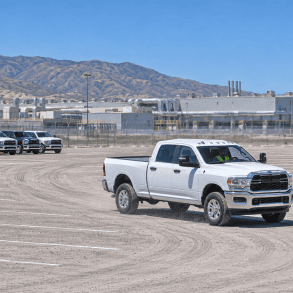
Pickups made up six in ten of the finished vehicles Thailand exported in October, and they took the largest loss in units. Thai plants built 41,829 combustion-engine pickups in October, 30% fewer than a year earlier. Exports of finished vehicles fell 34% to 54,503. Thailand’s fall in output was about twice as steep as Mexico’s October production drop, which came mostly from two makers’ plants.
Home sales rose on imported electric cars
Thai domestic sales moved the other way, up 8.7% on a year earlier to 51,127. The federation credits imported battery-electric cars, which still pay excise at a low 10%. Battery-electric car sales nearly doubled to 16,488, and the federation estimates about 14% of them were imported. Diesel pickup sales kept falling, which it puts down to tight lending and higher diesel prices.
That 10% rate is due to rise. The cabinet has approved raising excise on imported battery-electric and range-extender passenger cars to as much as 35% from January 1, 2027, the federation says, and it will work through the criteria with the Excise Department before the rate applies. The rise falls on exactly the imports that lifted October’s sales. The federation expects it to keep Thailand a place where cars are built rather than shipped in, and that is the choice now facing the Chinese makers whose exports have been carrying their home factories.
What to watch
Before October the year was level: output for the first nine months was about 0.4% above a year earlier. October turned the ten-month total to 1,167,968, down 3.6%. Hitting 1.45 million now needs about 141,000 a month in November and December, roughly a fifth above the pace of the first ten months. The federation says several makers expect to make up the lost output by the end of November and that it will report the result in December. A November print near 141,000 keeps October’s loss to a single month; one near the year’s pace leaves December needing about 165,000.