March 19, 2026
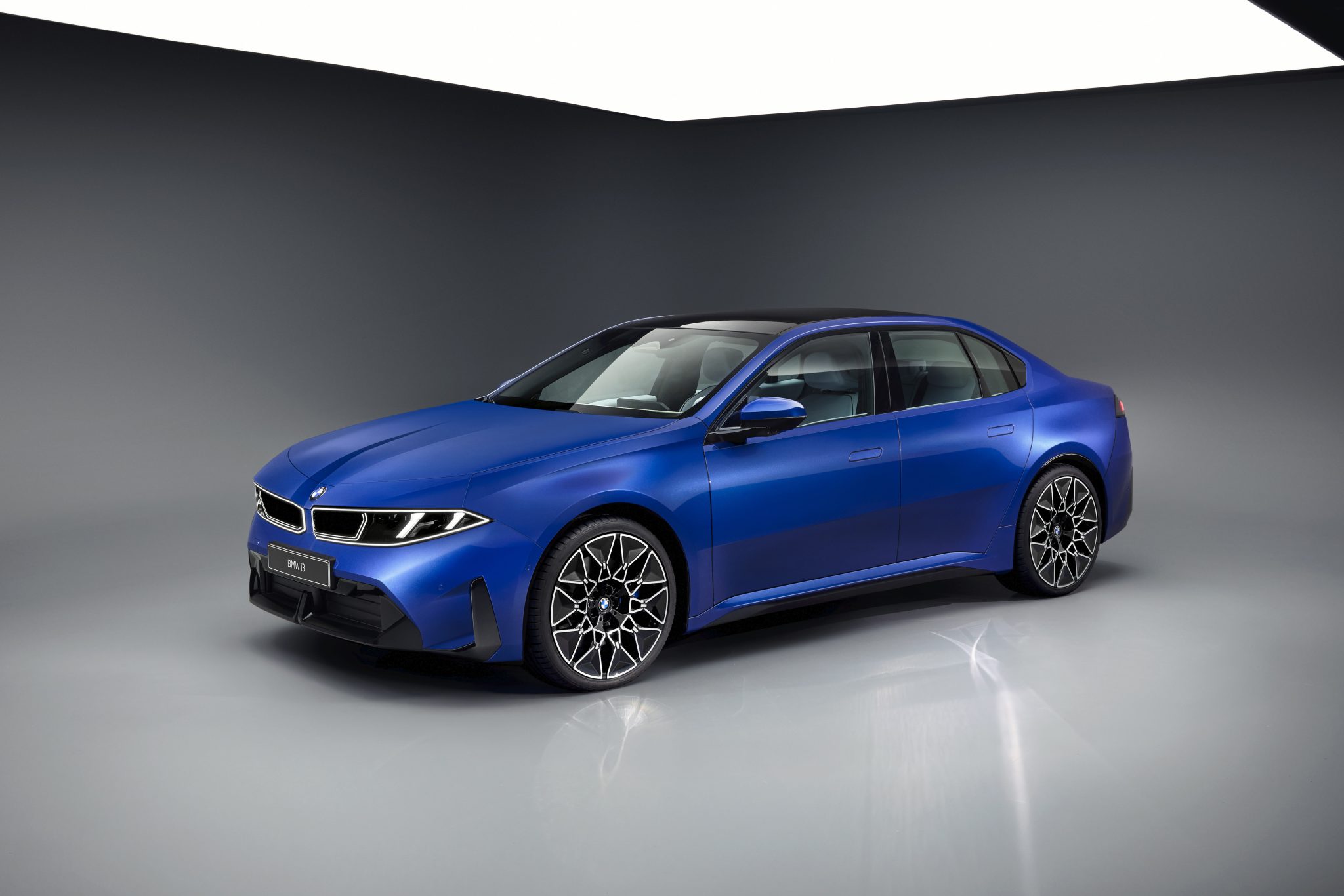 While three major automakers were busy writing obituaries for their electric vehicle programs, BMW was revealing the car that explains why they should not have given up.
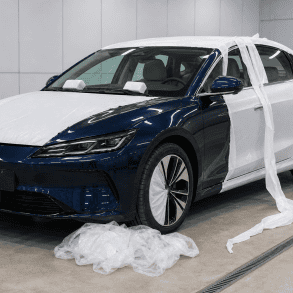
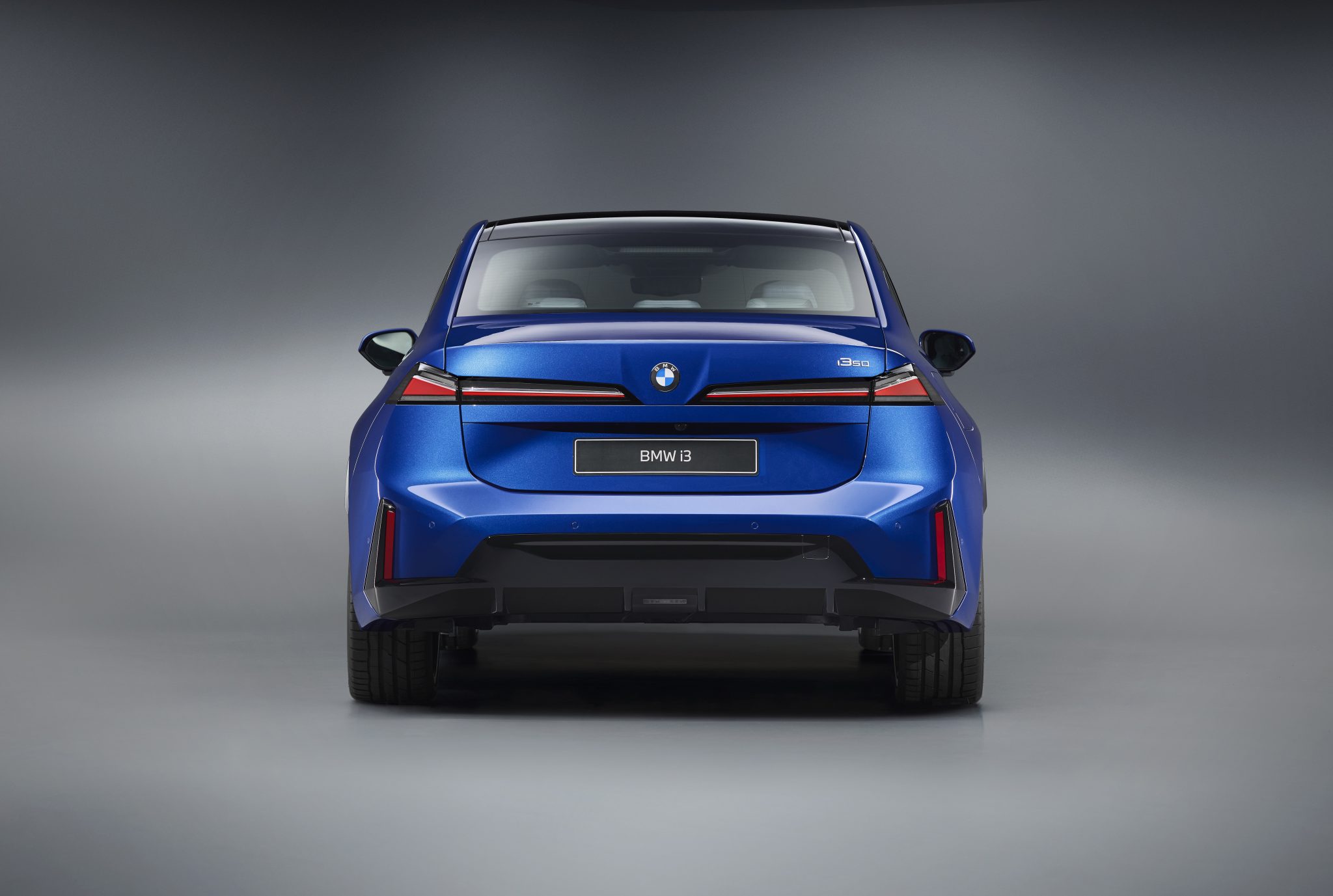
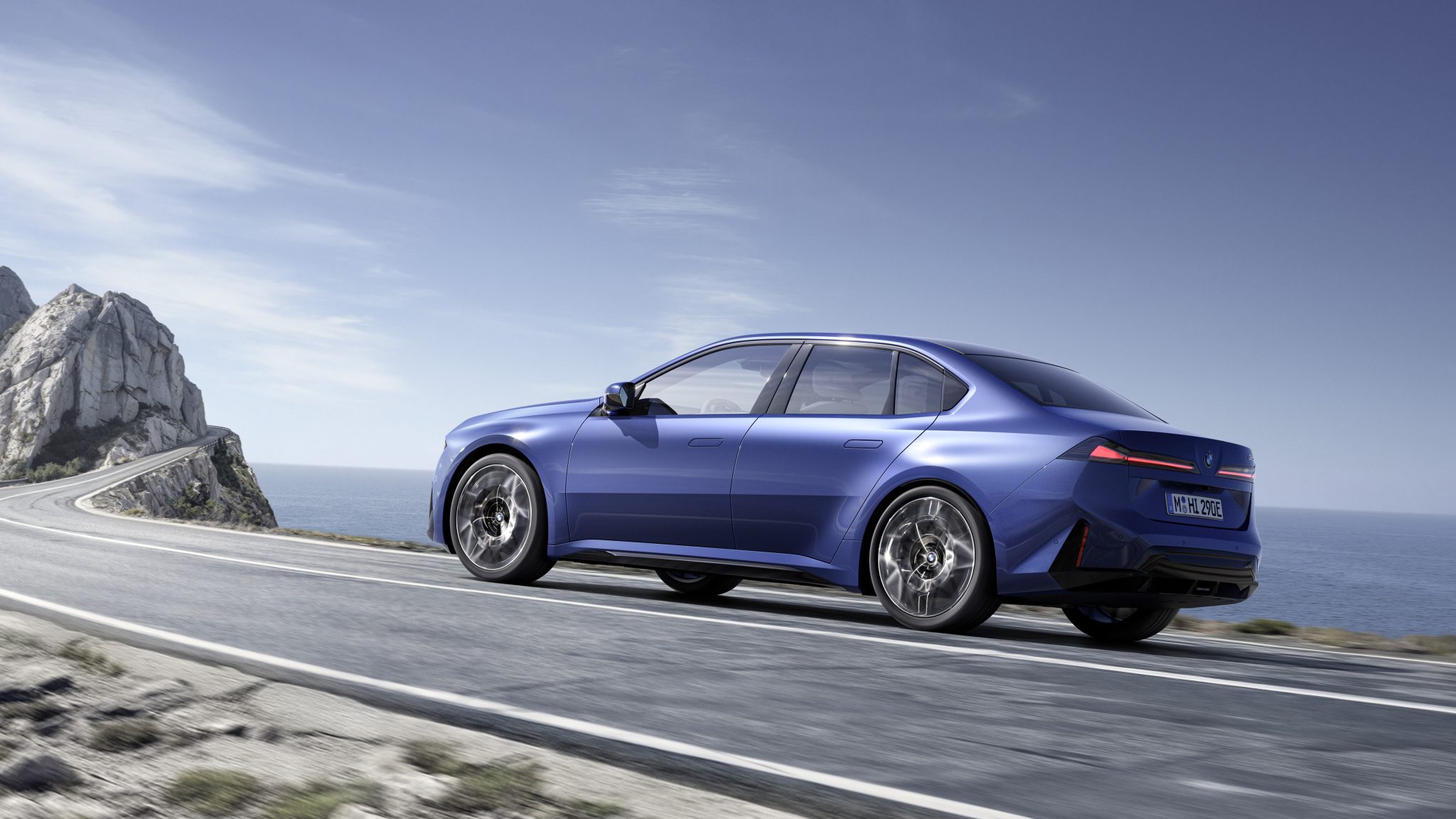
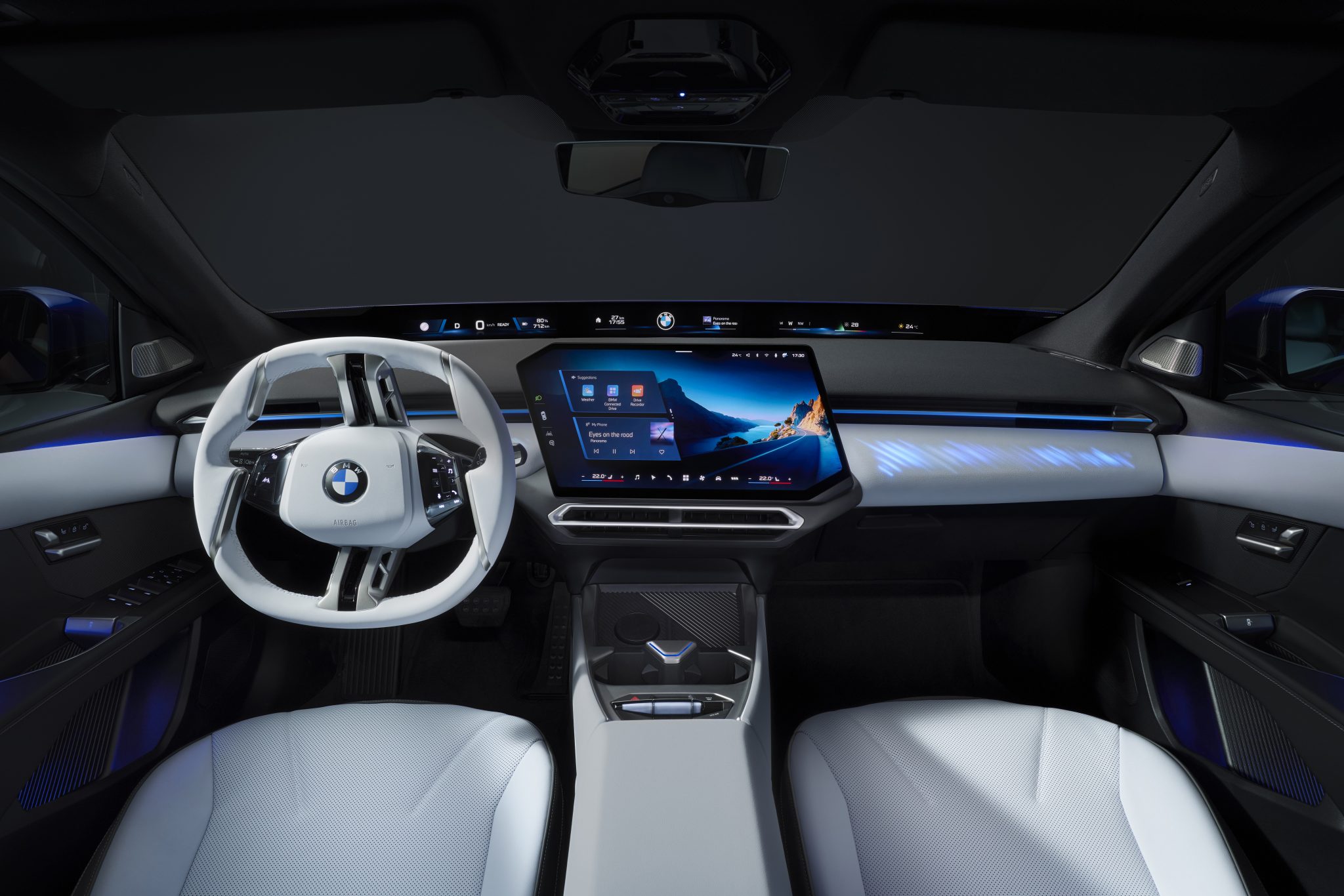
The BMW i3, the second model on the Neue Klasse platform, debuted March 18 with specifications that read like a direct rebuttal to every excuse the industry has offered. Range anxiety? Try 440 miles of EPA-estimated range. Charging too slow? The i3 adds 248 miles in 10 minutes at 400 kilowatt charging. Too expensive? BMW has signaled the i3 will slot into the current 3 Series range.
 The Specs That Matter
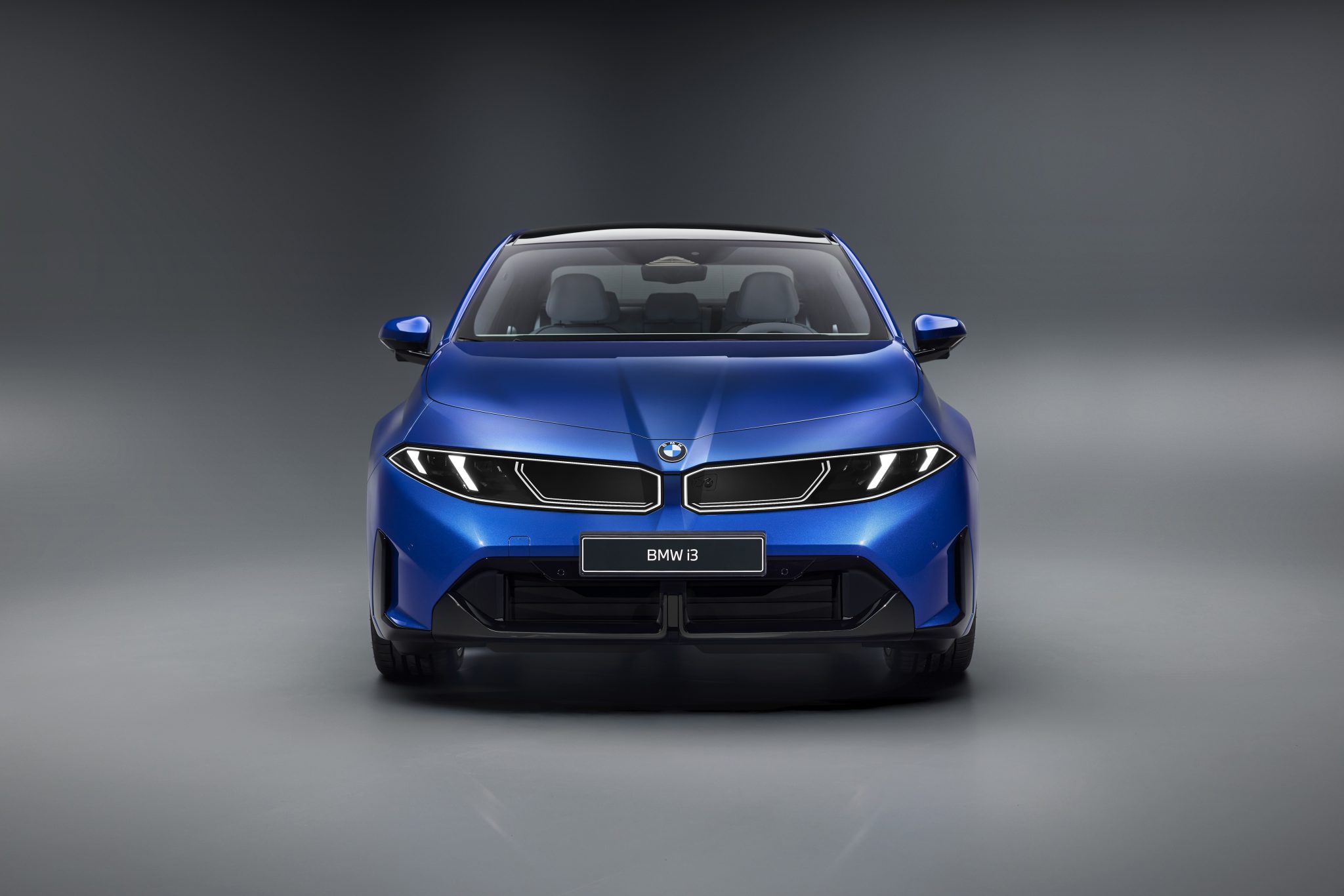
The i3 50 xDrive produces 463 horsepower and 476 pound-feet of torque. The 800-volt electrical architecture enables higher power throughput than the 400-volt systems used by most current EVs, including every Tesla on sale today.
BMW claims the i3 will travel roughly 440 miles on a full charge. If that number holds, it would make the i3 the longest-range non-luxury electric sedan available, surpassing the Tesla Model 3 Long Range and matching the Mercedes EQS. For context, the average American drives about 37 miles per day.
Production begins in August 2026 at BMW’s Munich plant. US deliveries are scheduled for 2027. BMW wants the i3 on American roads before the next generation of competitors from Audi, Mercedes, and a refreshed Tesla Model 3 arrive.
 Timing Is Everything
BMW’s reveal landed on March 18, the same week that Ford, Porsche, and Honda collectively wrote off billions in failed EV bets. Gas prices sit at $3.84 per gallon, Edmunds data shows 22.4% of shoppers researching electrified vehicles, and three competitors just told the market EVs don’t work as a business.
BMW’s response was to unveil a 440-mile sedan that charges faster than anything on the road. The timing was not accidental.
 Competition
The 3 Series has been BMW’s best-selling model globally for decades. The i3 will compete directly with the Tesla Model 3, which dominates the electric sedan segment but relies on an aging platform from 2017.
Audi’s forthcoming A4 e-tron is expected in late 2027 and will be the i3’s most direct German rival. Mercedes and other competitors are watching closely to see if BMW’s platform discipline and execution deliver what others have promised but failed to achieve.
 The Risk
None of this guarantees the i3 will sell. The company reported profits at a post-pandemic low in 2025 with BEV growth of just 3.6%. Neue Klasse needs to accelerate that trajectory in a market where EV registrations are falling and governments are scaling back incentives.
What BMW has that retreating competitors lacked is patience and platform conviction. The company never overcapitalized on battery supply chains the way Ford did. Recent EV registrations data shows the challenges all manufacturers face, but BMW invested steadily in Neue Klasse while continuing to print money from combustion and hybrid vehicles.
The i3 is the payoff for that discipline. Whether consumers agree is a question that will not be answered until 2027. But in a week when the auto industry’s EV narrative turned negative, BMW produced the most compelling counter-argument: a car that actually closes the gaps EVs were criticized for having.