VW spent three years teaching Americans what kilowatts meant. Dealers spent 90 days teaching them that $5,000 markups plus service nightmares meant shop elsewhere.
TLDR
VW’s Scout Motors launch represents a $2 billion corporate admission that its franchise dealer network destroyed the ID.4’s market viability through markups, service incompetence, and general hostility to EVs. Scout’s direct-sales model and range-extender strategy solve problems Tesla and Rivian refuse to acknowledge, but the legal separation creates the same risk that killed Saturn: you’re betting $2 billion that state franchise laws won’t evolve to capture you anyway.
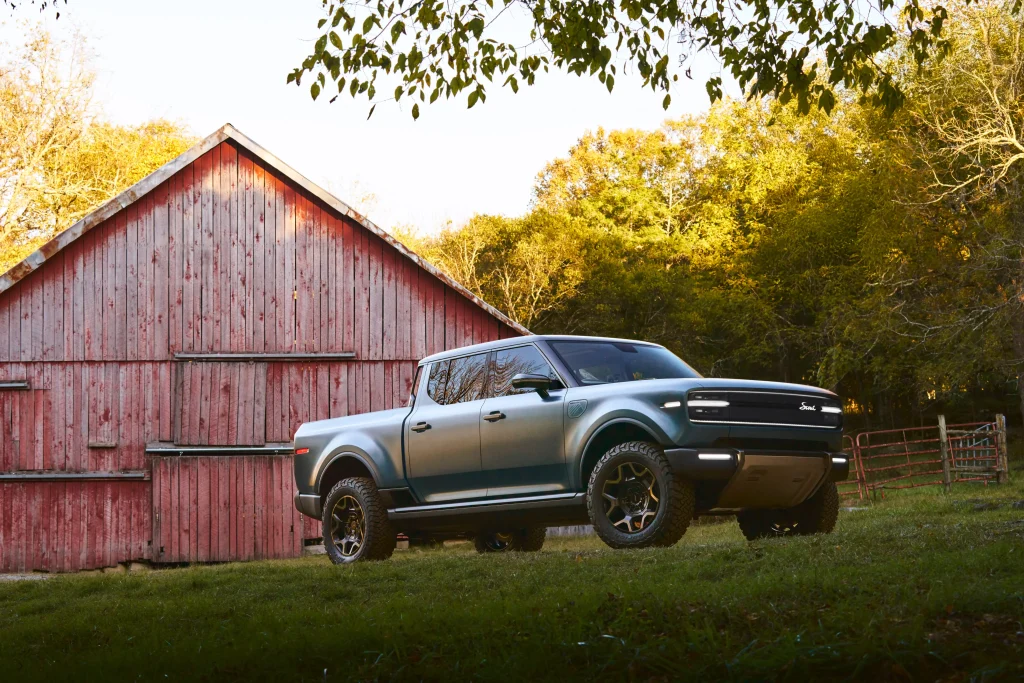
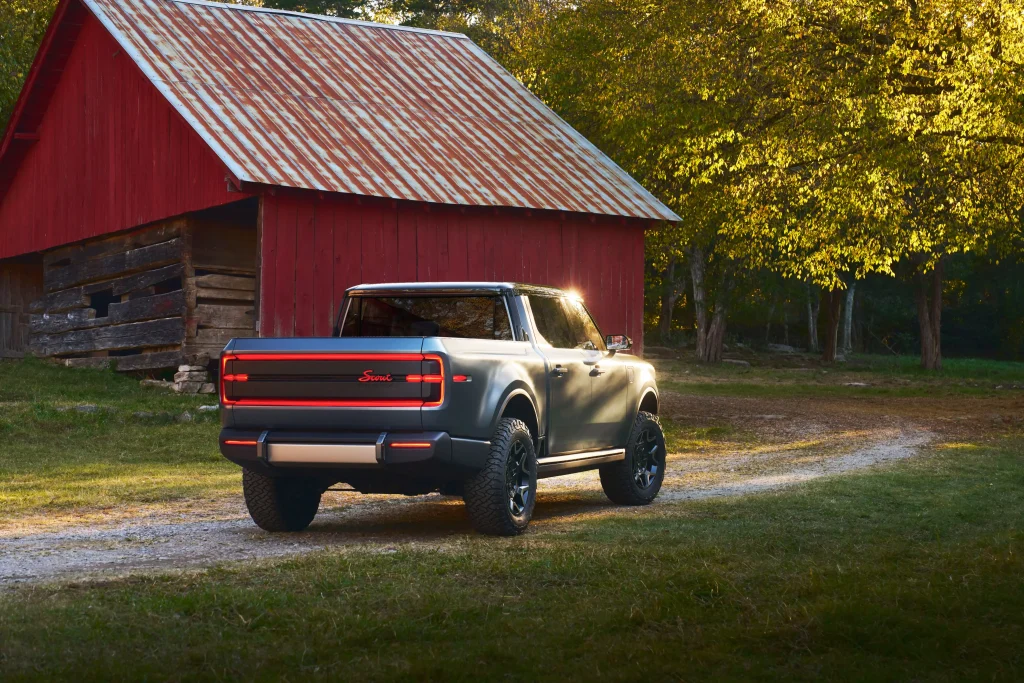
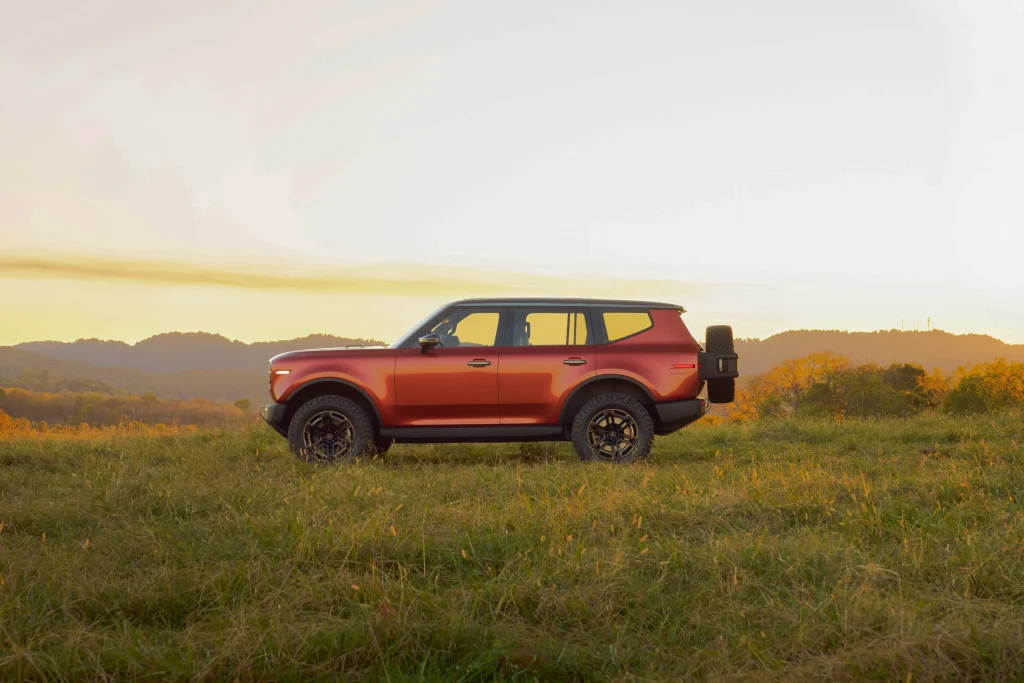
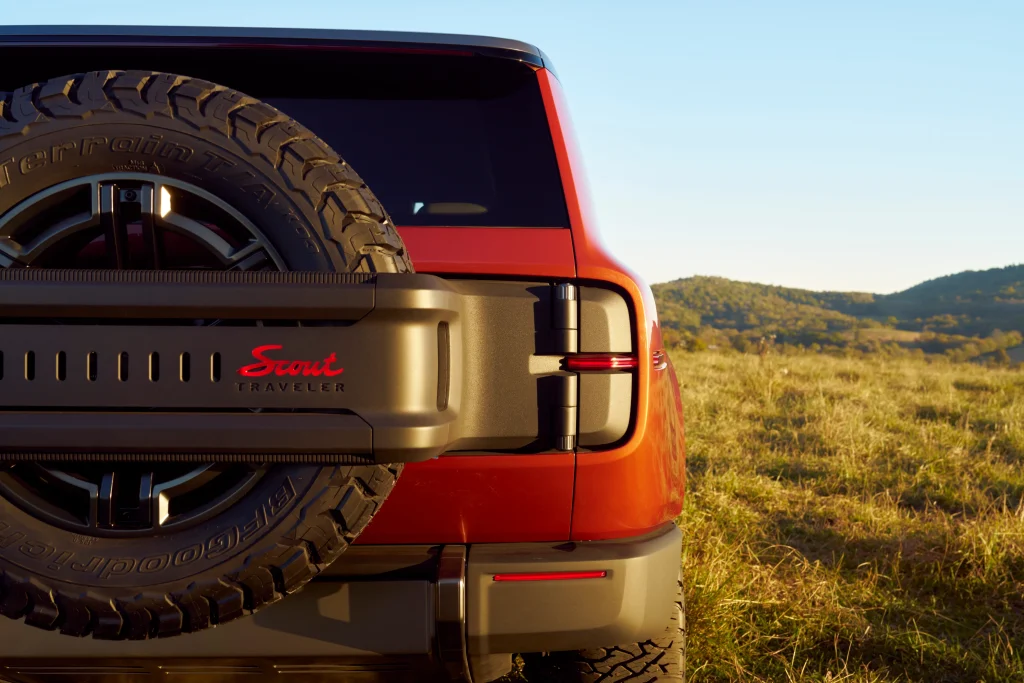
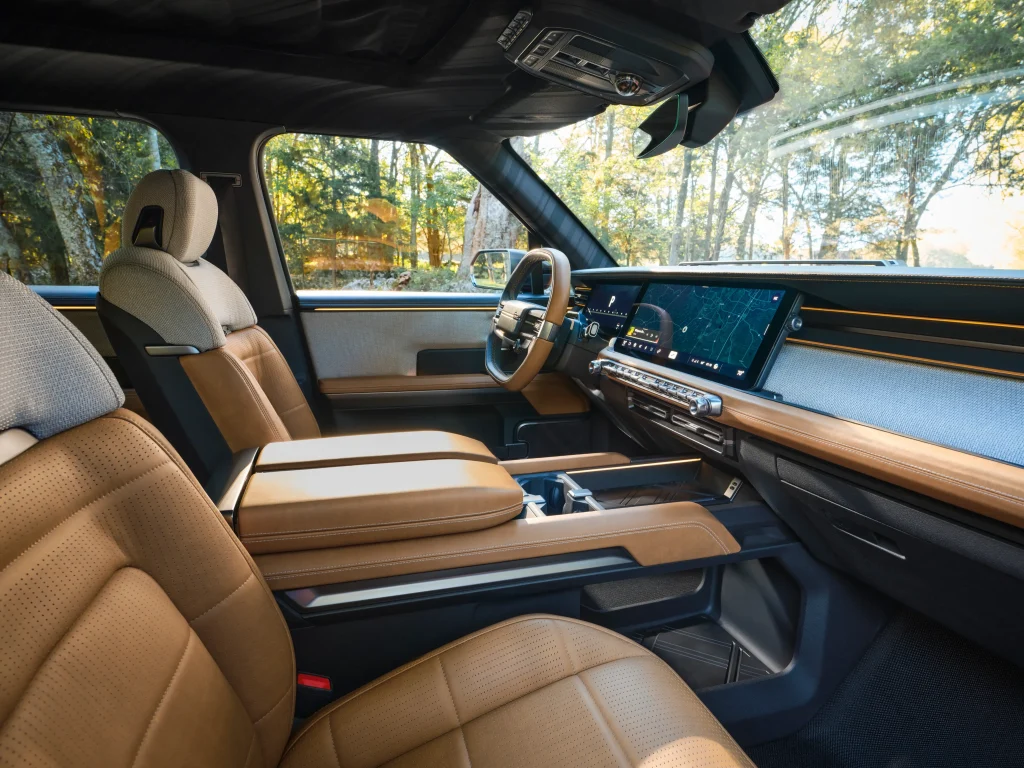
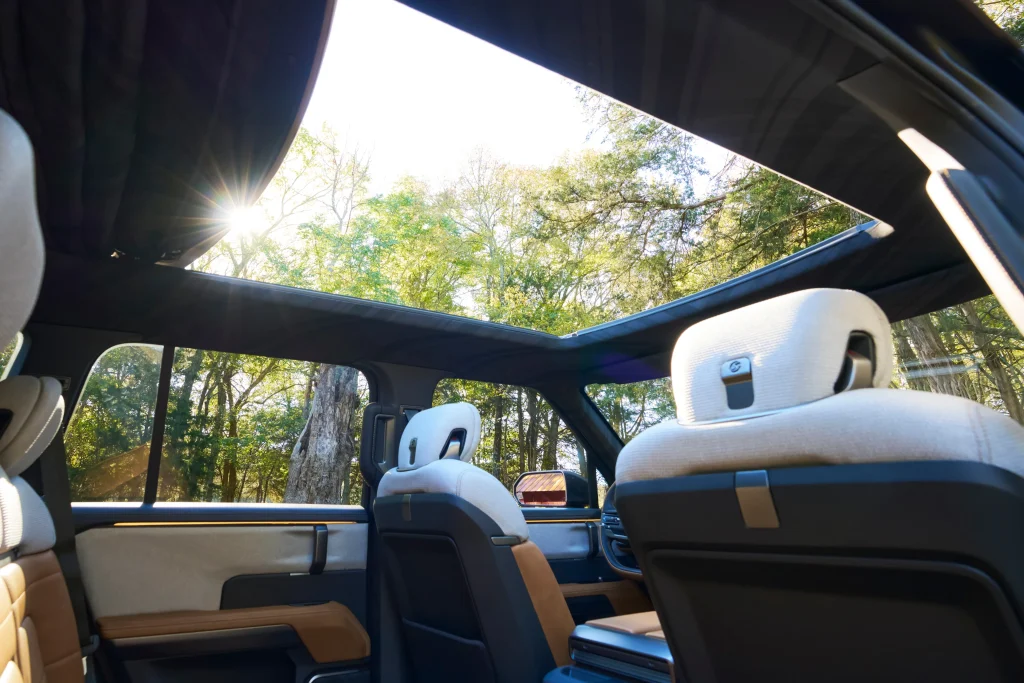
Scout Motors unveiled its Terra pickup and Traveler SUV concepts in Los Angeles this week, but the real story isn’t what VW built. It’s why they had to build it outside the Volkswagen brand entirely. Scout exists as a legally separate company specifically to dodge state franchise laws that would force it into the dealer network that killed the ID.4 before it ever had a fighting chance.
When your $800 million marketing investment gets murdered by franchisees who can’t spell “Level 2 charger,” you don’t reform the system. You build around it.
The ID.4 Disaster in Numbers
Volkswagen introduced the ID.4 in 2021 with projections of 100,000+ annual U.S. sales. By 2024, they sold 17,021 units, down 55% from the previous year’s already disappointing 37,789. The problems weren’t the vehicle. The ID.4 earned strong reviews for ride quality, packaging efficiency, and post-refresh software improvements.
The problems were sitting in every VW showroom across America.
Dealers who’d never sold EVs were suddenly expected to explain kilowatt-hours, DC fast charging protocols, and home electrical upgrades. Most didn’t bother learning. Those who did often added $5,000 markups to vehicles already priced at $41,000 before incentives. Service departments accustomed to oil changes and timing belts couldn’t diagnose battery management systems or inverter faults. Wait times stretched to weeks for basic repairs.
Then the 2025 ID.4 lost eligibility for the $7,500 federal tax credit due to battery sourcing rules. With the Model Y maintaining credit eligibility and starting at effectively $37,490 after incentive, the $41,160 ID.4 became unsellable. VW halted Chattanooga production in Q4 2025, laying off ID.4 line workers.
Scout’s Strategic Bypass
Scout Motors solves the dealer problem by not having dealers. The company operates as a wholly owned but legally independent VW subsidiary, which allows it to sell directly to consumers without triggering state franchise laws that protect existing dealer networks. Texas, for example, bars manufacturers from opening company-owned stores if they already have franchise agreements in that state. Scout has no such agreements.
The South Carolina plant represents a $1.3 billion state incentive package built on this legal separation. Production starts in 2027 with a target of 200,000 annual units by 2030. Scout will operate company-owned service centers in major markets while contracting independent shops for rural coverage, deliberately avoiding the franchise model that strangled the ID.4.
The Terra and Traveler undercut Rivian R1T pricing by approximately $13,000 at launch while offering the technological feature most EV manufacturers refuse to acknowledge consumers actually want: a range extender.
The Range Extender Reality
Pure battery-electric versions of Terra and Traveler will offer approximately 350 miles of range. Add the optional range extender, a small gas engine that functions purely as a generator, and total range exceeds 500 miles. This solves the anxiety problem that kills EV consideration for buyers beyond the coasts.
Americans don’t fear running out of electrons most days. They fear running out of electrons on the one day per year they drive to Grandma’s house in rural Pennsylvania where the nearest DC fast charger is 40 miles away and broken half the time. The range extender provides 150 miles of daily electric driving with absolute certainty that you’ll never be stranded.
Tesla won’t offer this. Their position: pure electric or nothing, despite Model Y sales declining as competition increases. Rivian won’t offer this. Their engineering team considers range extenders inelegant compromises. Ford offers it on certain models but routes sales through dealers who mark them up and service them poorly.
Scout offers it on a direct-sales model that can’t be sabotaged by a franchisee in Topeka who thinks EVs are a liberal conspiracy.
The Saturn Echo Nobody Mentions
GM tried this in 1990. Saturn operated as a separate brand with its own dealer network, built to compete with Japanese imports using innovative retail and manufacturing approaches. It worked initially. Sales hit 286,000 units by 1994.
Then GM’s existing dealer networks sued. State legislatures that had approved Saturn’s independent structure started reconsidering as Chevrolet and Buick dealers complained about intra-company competition. GM corporate started raiding Saturn’s budget for other priorities. The brand died in 2010 after 20 years of slow strangulation.
Scout faces identical risks. State franchise laws exist precisely to prevent manufacturers from competing with their own dealers. The fact that Scout currently has no dealers doesn’t mean state legislatures won’t eventually rule that VW’s ownership of Scout triggers franchise law obligations. VW and Audi dealers have already filed lawsuits in multiple states challenging Scout’s direct-sales model. One adverse legal ruling in a major market could destroy the entire direct-sales model.
VW bet $2 billion that state franchise laws won’t evolve to capture them. That’s not a technology bet. That’s a regulatory arbitrage bet.
What This Means for Detroit
Ford and GM watched this closely. Both have extensive dealer networks that would sue instantly if corporate opened company-owned stores. Both also recognize that their EV sales struggles stem partly from dealer hostility and incompetence.
The F-150 Lightning failed to meet sales projections not because the truck disappoints but because dealers either marked them up or steered customers toward gas F-150s with higher margins and familiar service revenue streams. Chevrolet Silverado EV faces identical problems before it even launches at volume.
If Scout succeeds, expect Ford and GM to launch similarly “independent” EV brands designed to bypass their own dealer networks. If Scout fails due to legal challenges, the franchise dealer model survives another decade despite killing EV adoption.
The Product Reality Check
Terra specifications target the F-150 Lightning directly: crew cab, 5.5-foot bed, 10,000-pound towing capacity when properly equipped. The 800-volt architecture enables 10-80% charging in under 20 minutes with compatible DC fast chargers. Base pricing starts around $50,000 before incentives, though specific trim levels and option packages remain undefined.
Traveler competes with Rivian R1S and Tesla Model Y in the three-row electric SUV segment. Both vehicles feature body-on-frame construction rather than unibody, emphasizing off-road capability over maximum efficiency. This plays to Scout’s heritage brand positioning while accepting slightly lower EPA range ratings than unibody competitors.
Neither vehicle will qualify for federal tax credits due to battery sourcing rules and price caps. The range extender versions might qualify as plug-in hybrids depending on EPA testing protocols, but VW hasn’t confirmed this either way.
The Bottom Line
Scout Motors proves that VW learned from the ID.4 disaster: you can build excellent EVs, but if your dealers actively sabotage them, the products fail anyway. The $2 billion question is whether state franchise laws allow this workaround to survive or whether dealer lobbying forces Scout back into the system that killed the ID.4.
The vehicles look competitive. The strategy makes sense. The legal foundations rest on regulatory arbitrage that one adverse court ruling could destroy. Good luck with that $2 billion bet, Herbert.