October 17, 2025
Stuttgart Mines 1930s Glamour to Disguise Strategic Retreat from Blob EVs
When your electric vehicle lineup bombs so spectacularly that even your own designers admit it lacked “road presence,” you have two choices: own the failure or drape it in velvet and call it innovation. Mercedes chose option two with the Vision Iconic concept, unveiled in Shanghai during Fashion Week as both a design manifesto and a tacit admission that the EQS and EQE were aesthetic disasters. The press release promises “freedom to think beyond convention” while conveniently omitting that the convention needing escape was Mercedes’ own blob-era design language.
 The Confession Wrapped in Chrome
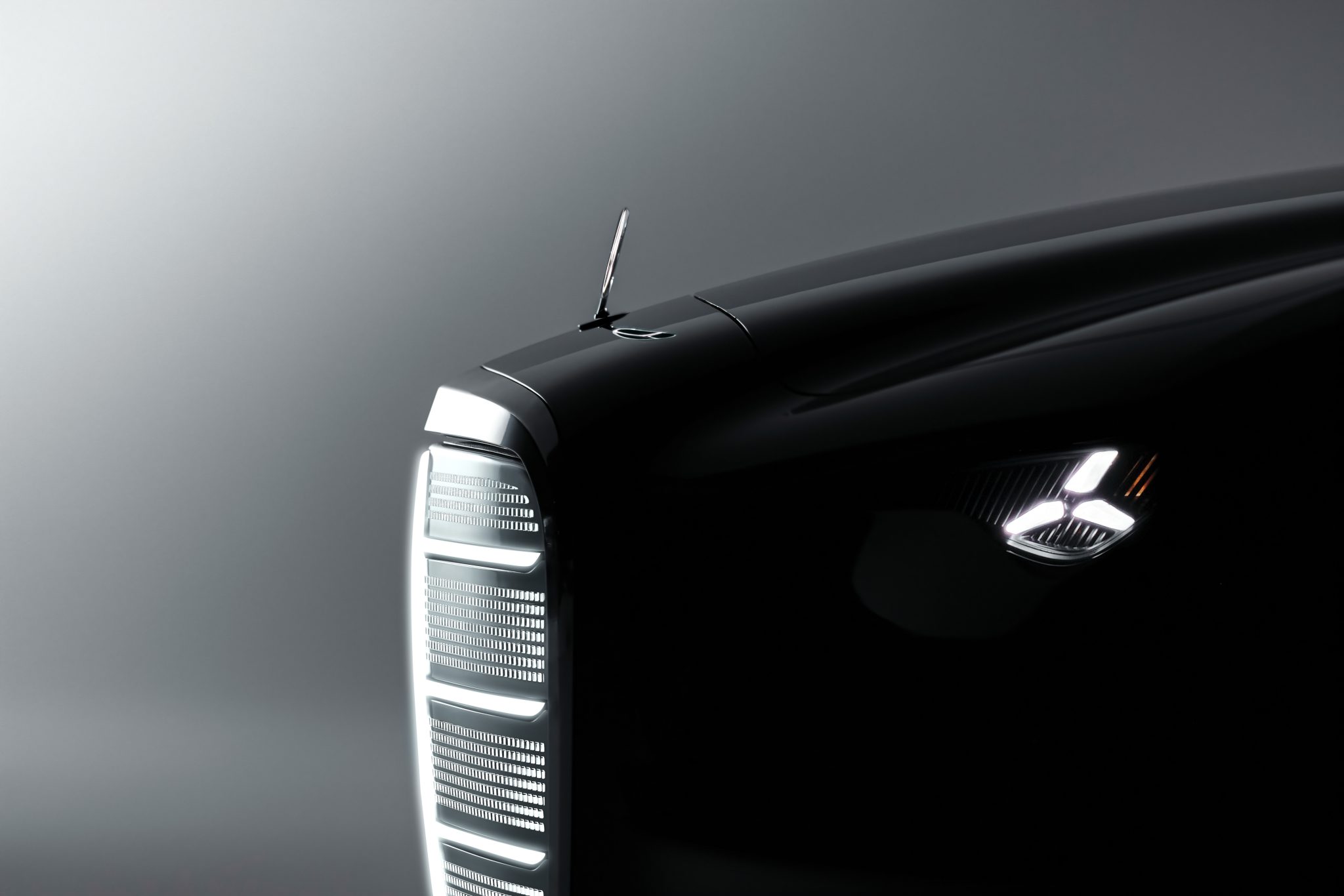
Chief design officer Gorden Wagener calls the Vision Iconic “a sculpture in motion” that bridges the brand’s 1930s heritage with its electric future, proclaiming it represents “the most beautiful, most prestigious kind of thing.” Translation: we finally figured out that making EVs look like melted soap bars wasn’t the path to luxury domination. The concept resurrects proportions from Mercedes’ golden era (the 540K Autobahn-Kurier and 300 SL) with a long sweeping hood, upright illuminated grille, and coach doors that scream “villain’s car in a noir film.”
The timing is strategic. After the blob-like EQE and EQS failed to move the needle (or customers), Mercedes introduced a new grille design on the electric GLC in September. The Vision Iconic takes that concept further with an illuminated three-pointed star hood ornament and smoked-glass lattice structure meant to “stand out from the sea of sameness.” Which is ironic, given that Mercedes created its own sea of sameness with the original EQ design language.
 Solar Paint and Neuromorphic Marketing
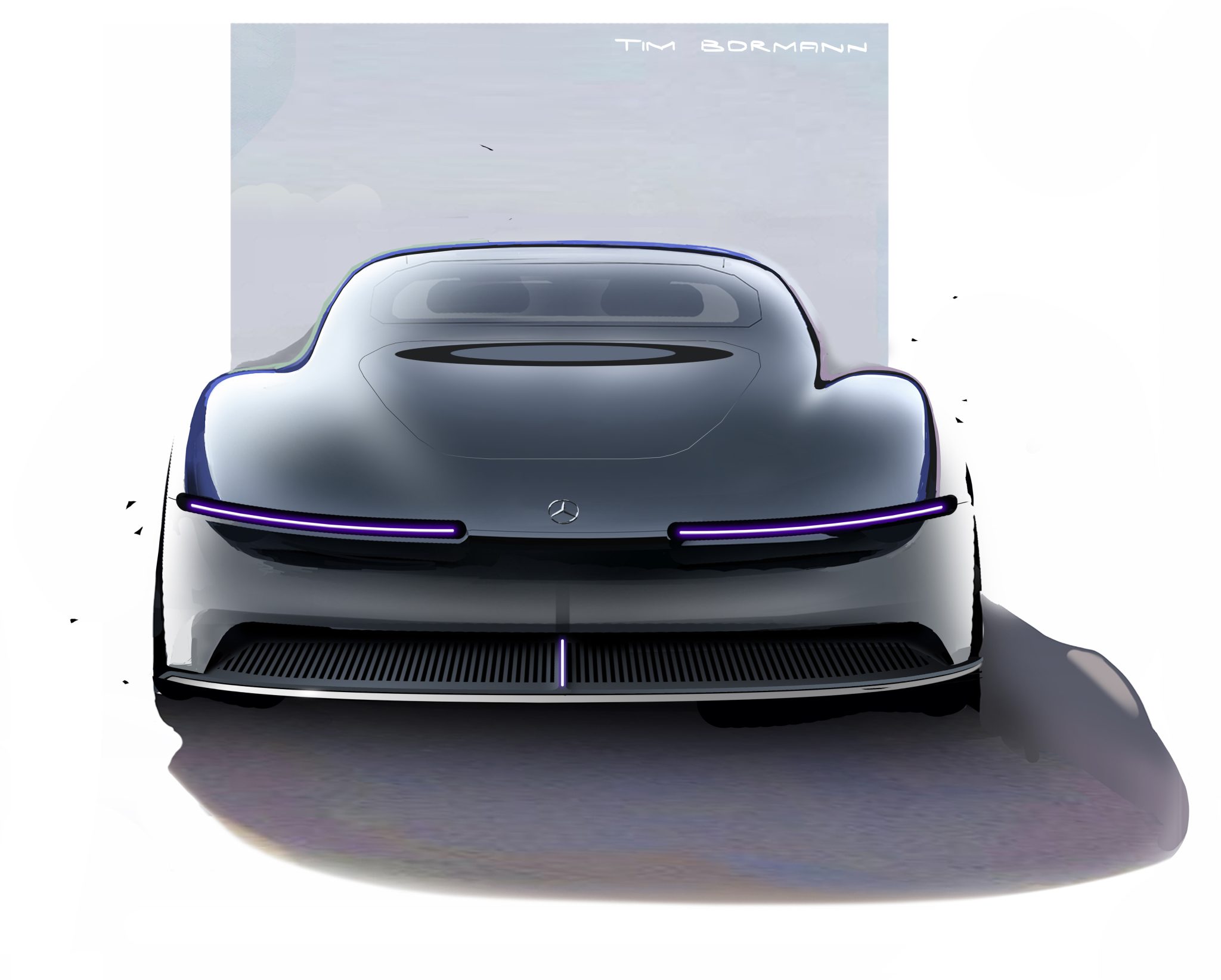
Beyond the Art Deco cosplay, the Vision Iconic showcases technologies Mercedes hopes will distract from the fact it’s playing catch-up. The concept features experimental solar modules applied like “wafer-thin paste” across the body. Mercedes claims an area of 118 square feet (equivalent to a mid-size SUV) could produce energy for up to 7,450 miles annually under ideal conditions. That asterisk? “Based on the light incidence in Stuttgart, Germany.” Good luck replicating those numbers in Seattle.
Neuromorphic computing promises 90% more energy-efficient self-driving calculations by mimicking the human brain.
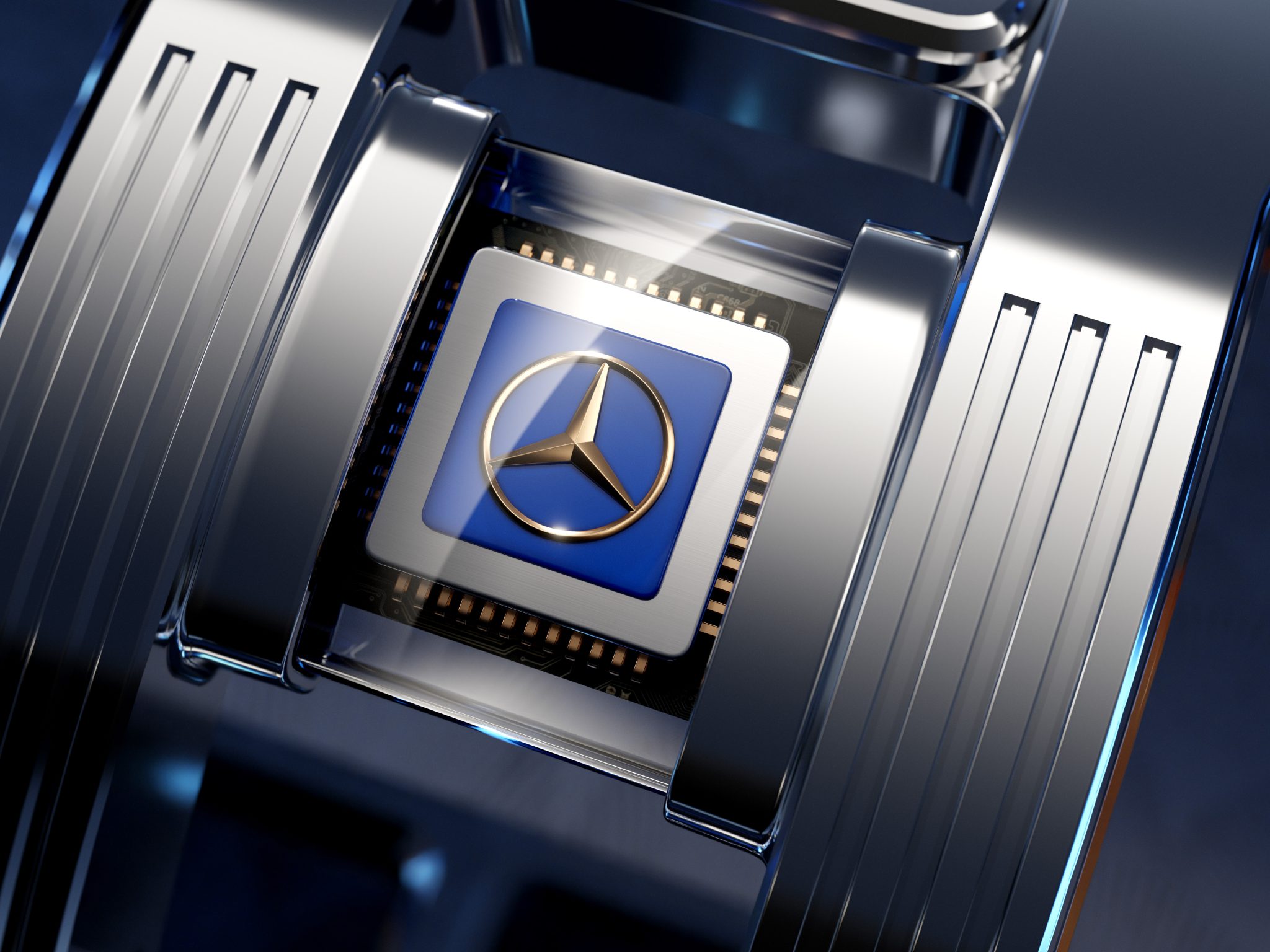
The system could make safety systems ten times more efficient at recognizing traffic signs and lanes than current chips. Level 4 autonomy and steer-by-wire round out the spec sheet. CTO Markus Schäfer frames these innovations as “setting new standards for the electric and digital age,” which is corporate code for “we’re finally competitive again.”
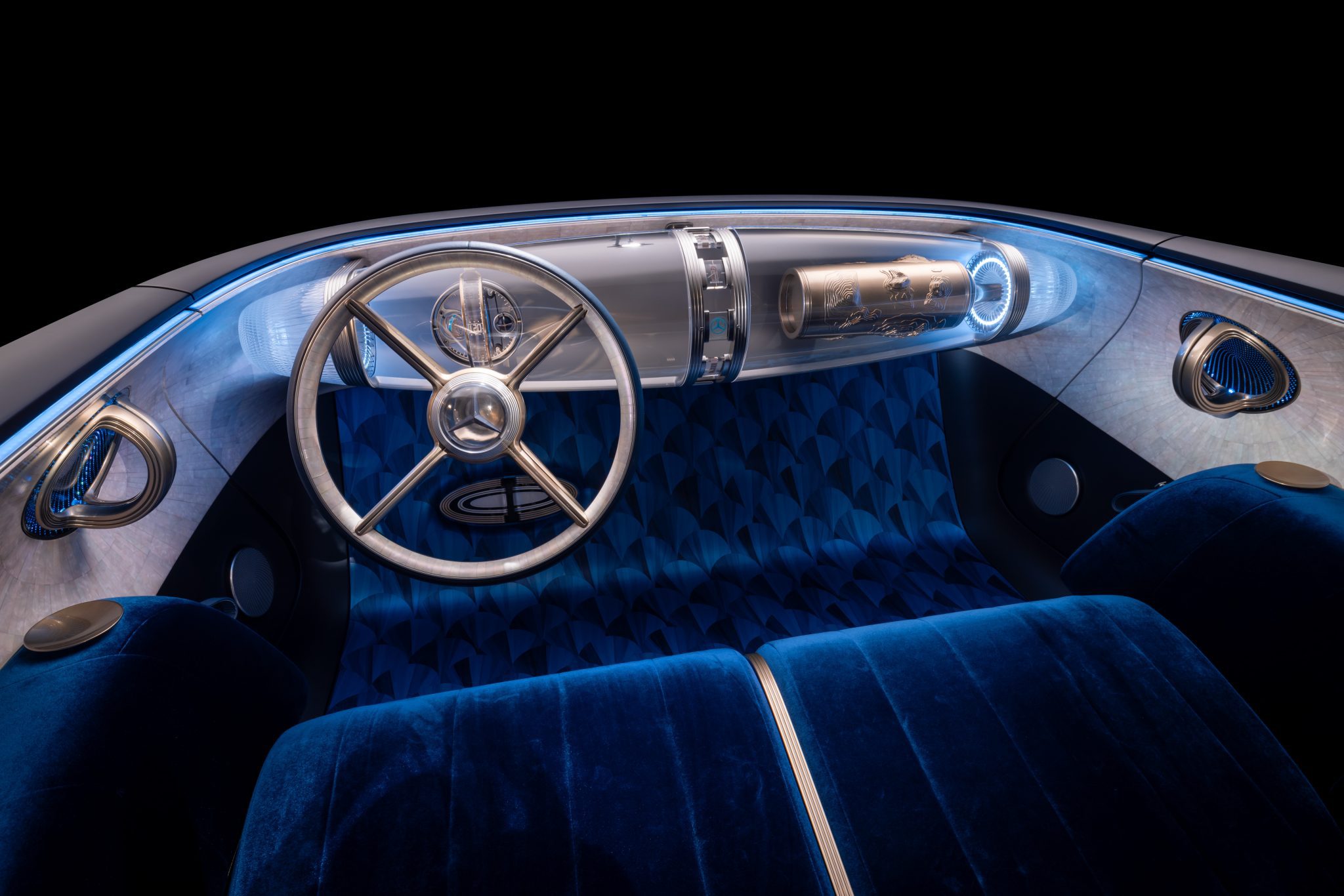
The interior leans hard into hyper-analog luxury with a floating glass dashboard Mercedes calls the “Zeppelin,” blue velvet seats, polished brass door handles, and mother-of-pearl trim. The floor features straw marquetry in an Art Deco fan pattern, reviving a decorative technique from the 17th century. One of four chronograph-inspired clocks functions as an AI companion. It’s the automotive equivalent of wearing a monocle to a Zoom meeting while explaining that actually, monocles are making a comeback.
What It Actually Means
The Vision Iconic reveals more through what it doesn’t say. Mercedes developed an exclusively designed capsule collection of six outfits to accompany the concept’s Shanghai Fashion Week debut, because apparently the car’s message wasn’t clear enough without coordinating blazers. The company also published a dedicated design book featuring interviews with CEO Ola Källenius and Wagener, complete with imagery and a glimpse of another show car. When you need a book to explain why your new design language is iconic, maybe it isn’t.
The real message is simpler: we’re abandoning the design strategy that cratered our EV ambitions. The concept’s 1930s proportions and traditional luxury cues represent a full retreat from the EQ lineup’s jellybean aerodynamics. Mercedes frames this as embodying freedom to think beyond convention, but the convention they’re escaping is their own recent work.
Will this influence production Mercedes EVs? Almost certainly. The electric GLC already adopted the new grille, and the upcoming S-Class EV likely inherits these design cues. But concepts like the Vision Iconic serve another purpose: giving designers permission to experiment without the constraints of crash regulations, manufacturing costs, or pedestrian safety standards. It’s automotive fantasy dressed as strategic preview, now with a fashion line and coffee table book to prove it means business.
The 2024 sales decline of 3% to 1.98 million vehicles suggests Mercedes needs more than nostalgic design language and solar paint to compete with Chinese EVs and maintain its luxury positioning. But at least the Vision Iconic looks substantially better than the EQS.
After years of preaching aerodynamic purity, Mercedes finally remembered luxury was supposed to look expensive, not efficient. Sometimes admitting you were wrong requires wrapping the confession in straw marquetry and calling it a masterpiece for a new iconic era.