Unveiled November 14, 2025 | Limited to 500 Units | Orders Open March 2026 | Deliveries: Early 2027
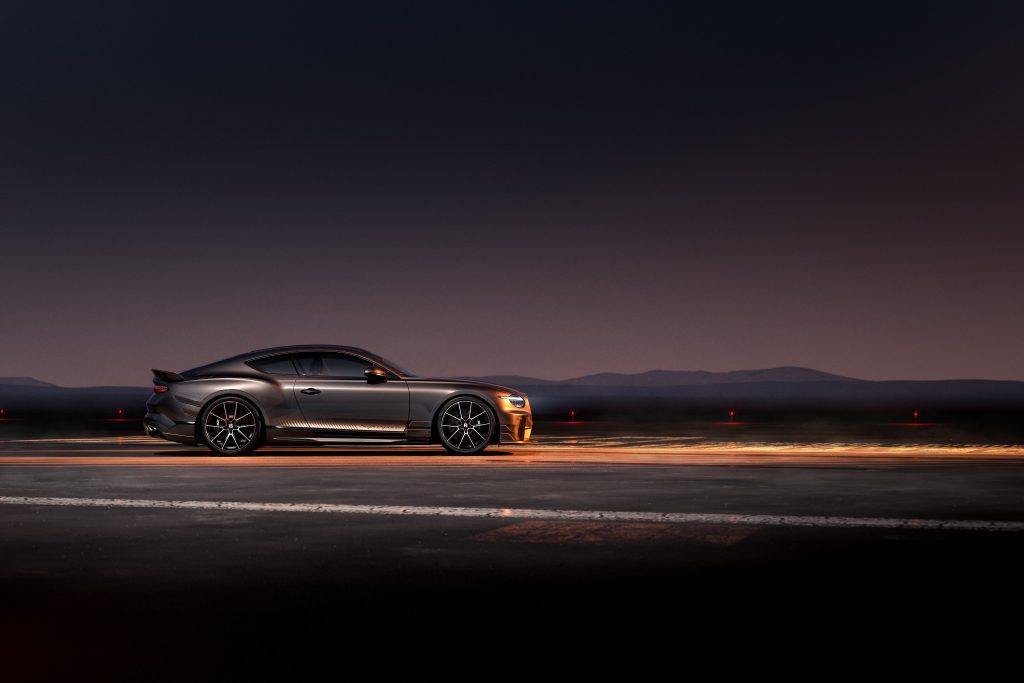
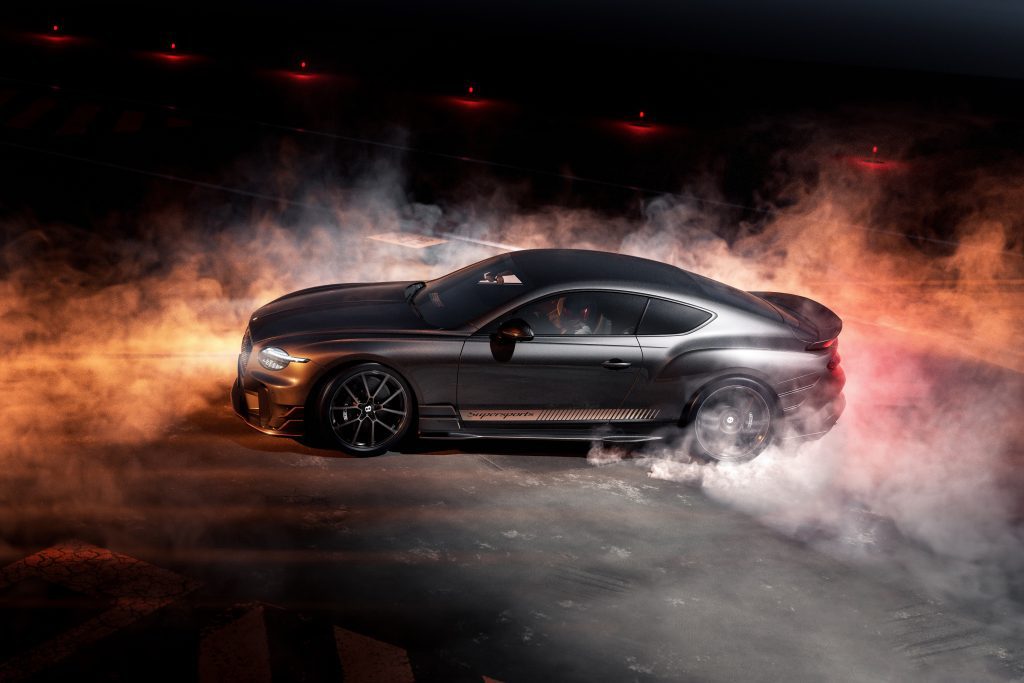
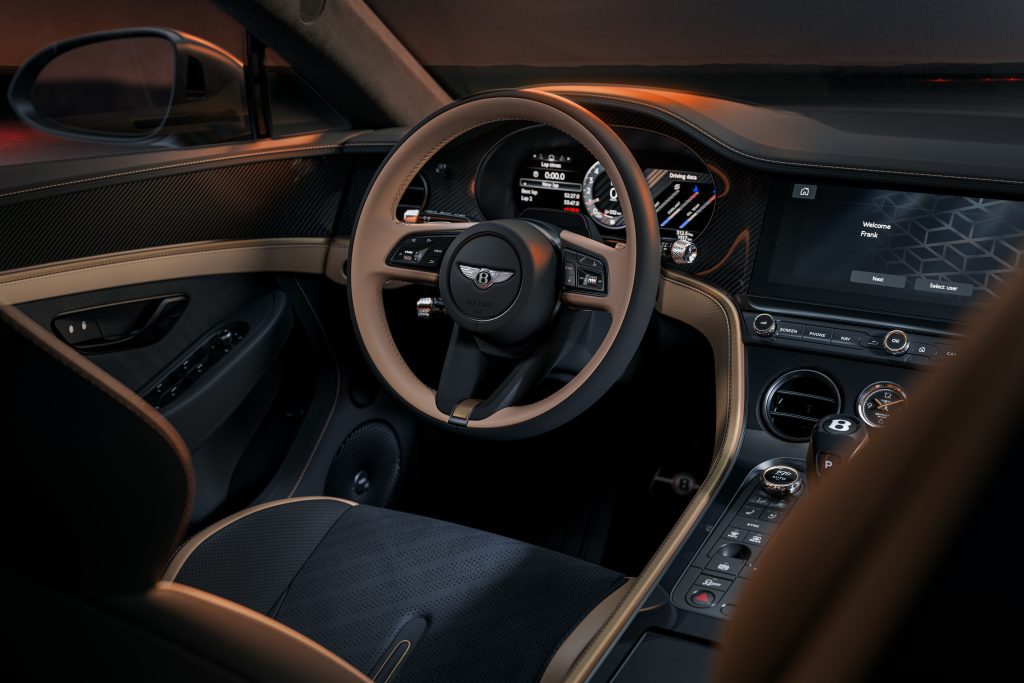
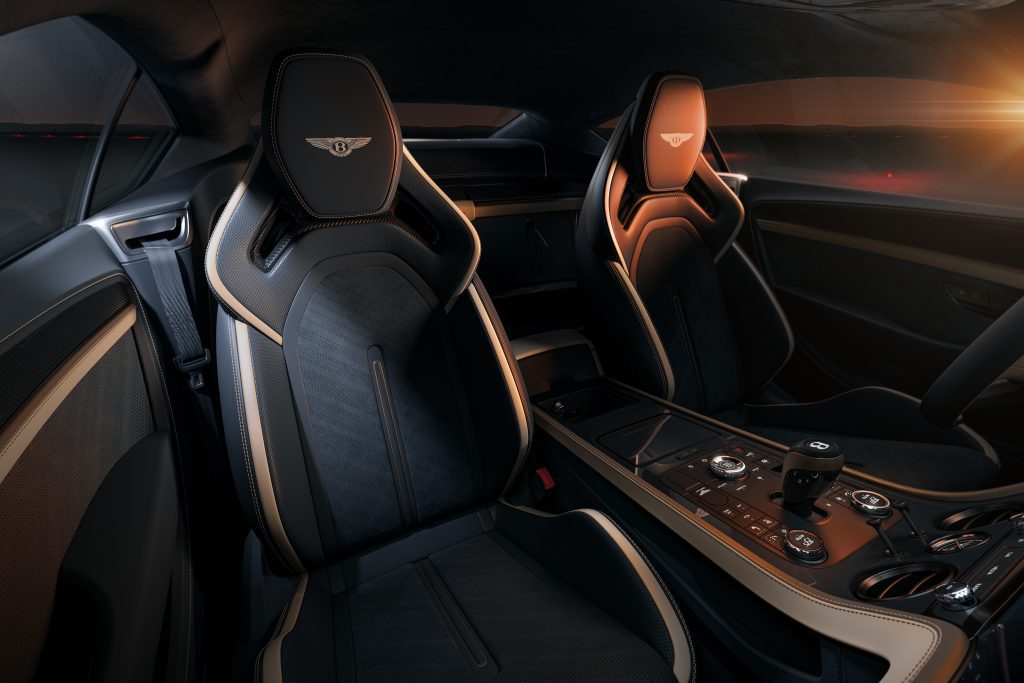
Bentley unveiled the Continental GT Supersports today, marking the first rear-wheel-drive Continental GT in the model’s 22-year history and the lightest Bentley in 85 years. Limited to 500 individually numbered units starting over $486,000, the Supersports ditches the hybrid powertrain, all-wheel drive, and rear seats in pursuit of driver engagement over the luxury focus that defines the rest of the Continental GT lineup.
Core Specifications:
- Powertrain: 4.0L twin-turbo V8 producing 657 hp (666 PS) and 590 lb-ft torque—non-hybrid, naturally aspirated performance
- Weight reduction: Nearly 1,000 pounds lighter than Continental GT Speed, weighing under 4,400 pounds (under two metric tonnes)
- Drivetrain: Rear-wheel drive exclusively (versus AWD across rest of Continental GT range), eight-speed dual-clutch automatic, electronic limited-slip differential
- Performance: 0-62 mph in 3.7 seconds, 192 mph top speed (versus GT Speed’s 208 mph)
- Configuration: Two seats only; rear seat area replaced with carbon fiber structural tub
- Brakes: Largest on any production car—17.3-inch carbon-silicon-carbide front discs with 10-piston calipers, 16.1-inch rears with four-piston calipers
Weight Savings Measures:
- Removed hybrid battery, electric motor, and associated systems
- Carbon fiber roof panel (lowers center of gravity)
- Carbon fiber front splitter, side sills, rear diffuser, and fixed rear wing
- Titanium Akrapovič exhaust system
- Forged 22-inch wheels developed with Porsche’s Manthey Racing
- Optional Pirelli Trofeo RS tires enable 30% faster cornering versus standard Continental GT


Strategic Philosophy:
This Supersports takes a different approach than its 2009 and 2017 predecessors, which pursued maximum power and top speed. The 2027 Supersports produces less horsepower than the hybrid GT Speed (771 hp) but weighs significantly less and focuses on chassis dynamics over straight-line acceleration. The rear-wheel-drive conversion enables controlled oversteer and more engaging steering feedback, targeting driving enthusiasts rather than luxury buyers who prioritize comfort.
The project originated in September 2024 when Bentley’s engineering team theorized how a rear-drive Continental GT might behave dynamically. They built a test mule that reached the track six weeks later, proving the concept viable. This rapid development timeline reflects new CEO Dr. Frank-Steffen Walliser’s influence—the former Porsche executive joined Bentley in 2024 and made the Supersports his first complete project.
Market Context:
Bentley’s Continental GT has served as the brand’s volume driver since 2003, propelling annual sales above 10,000 units. The hybrid-only lineup transition for 2025 added efficiency but also weight and complexity. The Supersports counters this trend by removing electrification entirely, appealing to purists who prefer mechanical simplicity and traditional grand touring dynamics.
The $486,000+ pricing positions the Supersports as Bentley’s most expensive two-door offering, surpassing the Mulliner variants. The 500-unit production limit ensures exclusivity while the individually numbered plaques (buyers can choose their number) add collector appeal. Orders open March 2026 with first deliveries scheduled for early 2027.
Aerodynamic Development:
The extensive carbon fiber bodywork generates over 660 pounds more downforce than the Continental GT Speed, critical for high-speed stability given the car’s rear-drive layout. The fixed ducktail spoiler replaces the standard GT’s retractable wing, prioritizing function over variable aesthetics. Front dive planes and the largest front splitter ever fitted to a Bentley road car manage airflow to both cool the engine and increase front axle load during cornering.
Chassis Tuning:
Bentley widened the rear track by 16mm and recalibrated the steering, suspension, and stability control systems specifically for rear-drive dynamics. The 48-volt Dynamic Ride active anti-roll system remains, responding to body roll in 0.3 seconds, while new twin-chamber dampers independently control bump and rebound. The electronic stability control offers three modes: full intervention for daily driving, Dynamic mode allowing measured slip and oversteer, and completely off for track use.
Rear-wheel steering aids cornering precision, while brake-based torque vectoring supplements the electronic limited-slip differential. Bentley calibrated three drive modes—Touring (equivalent to standard GT’s Sport), Bentley, and Sport—each tuned for the Supersports’ unique rear-drive character.
This represents Bentley’s return to building “extreme cars” that combine breadth of capability with driver engagement, as CEO Walliser stated, marking a departure from the brand’s recent focus on electrified luxury cruisers toward more emotionally engaging performance variants.