November 17, 2026
Tesla made three moves in November that treat the Cybercab as a car it can sell and build in volume. On November 6 Elon Musk said Cybertruck production in Texas will wind down to make room for more Cybercab production. On November 13 Tesla began inviting private buyers to order one. On November 16 the senior director of its Berlin plant said the plant will start making the car in 2029.
NHTSA has been auditing how Tesla certified the two-seat Cybercab, which has no steering wheel or pedals, since September 3, and federal law makes that certification a condition of selling the car in the United States at all. Until the agency says what it found, a deposit on a Cybercab is a bet on an answer that is not public, and so is the room Tesla is clearing for the car in Texas.
Texas next year, Berlin from 2029
Musk wrote on X on November 6 that the company “will be winding down production of the Cybertruck at Gigafactory Texas around the middle of next year to make room for increased Cybercab production,” USA TODAY reported.
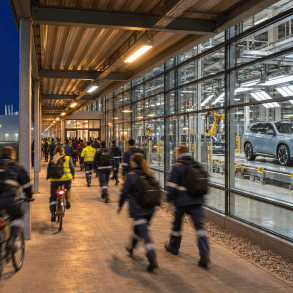
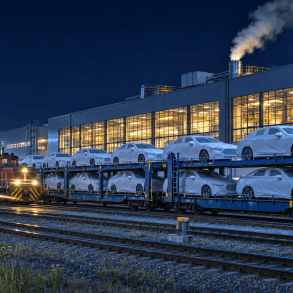
André Thierig, the senior director of the Grünheide factory near Berlin, followed ten days later. He wrote on LinkedIn on November 16 that staff had been told that day about an expansion of the plant, beginning with a new production building. Cybercab production is to start there in 2029, he wrote, and Tesla “will hopefully ramp it up to up to 1 million vehicles per year.” USA TODAY, which quotes the post, puts the investment at about $3.3 billion. Thierig called it a first step and said building work will begin “in the first half of the year.”
What the order page sells
The offer went out on the evening of November 13, when Tesla’s Robotaxi account posted the invitation on X: “Select customers are now being invited to purchase Cybercab for personal use.” The order page in the post prices the car at an estimated $29,990 before tax and asks for $1,000 up front.
A $299 monthly Autonomy Subscription comes on top of the price. The order page includes the first month, then charges the fee each month until canceled, and its terms line is blunt: “Subscription and regular vehicle maintenance required to operate.” A full year of payments is $3,588, or about 12% of the car’s price, and the fee runs for as long as the owner keeps it moving.
The order screen names Austin for delivery and December 2026 as the estimate, and it marks the deposit non-refundable. Tesla has not said how many customers it has invited.
The audit is about the right to sell
NHTSA opened Audit Query AQ26002 on the day Tesla began commercial Cybercab rides in Austin, and GCBC reported in September that the agency was asking how Tesla certified the car rather than whether it is safe. The agency’s Special Order to Tesla, signed by its Chief Counsel on September 10, quotes near its start the statute that matters now. Under it, a person “may not manufacture for sale, sell, offer for sale” a vehicle unless it meets every applicable federal safety standard and is covered by a certification.
Several of the order’s 21 requests go to parts the car does not have. One asks how a vehicle without a foot pedal meets a line in the federal braking standard that reads “The service brakes shall be activated by means of a foot control.” The last cites NHTSA’s own position from 2022 that further changes to the standards “would likely be necessary” before a vehicle driven only by an automated system could be manufactured for sale without an exemption. It asks Tesla to explain in detail how the Cybercab complies without one.
In July Zoox went the other way and received the first commercial Part 555 exemption in NHTSA history, with eight standards waived in advance and operating conditions attached. GCBC set the two routes side by side when Tesla opened Cybercab rides in Austin with 45 of the cars registered. Tesla certified instead. A fleet the company owns and runs keeps that choice inside Tesla. A car sold to a household does not.
The deadline was October 30
Tesla asked for November 20. An NHTSA memo dated September 29 records that it requested an eight-week extension on September 18, citing “the voluminous nature of the request.” The agency granted 30 days instead and set the new due date at October 30.
So the private orders opened two weeks after Tesla’s sworn answers were due. NHTSA has published no finding, closing or escalation in AQ26002, and GCBC found no public version of what Tesla told it. A buyer can see the price, the fee and the delivery month. The basis for the certification the law requires for the sale is the one part of the deal no buyer can read.
The order comes first
The Cybertruck wind-down in Texas is due around the middle of 2027 and Berlin’s first Cybercab in 2029. The order page estimates delivery in December, which makes it the month to hold both Tesla and NHTSA to.
A closing of AQ26002 with no action before then would let Tesla hand over cars with the audit behind it. An escalation, or a request for more answers, would leave the first private buyers waiting on a ruling about a car they have already put money down on. Of the three November bets on the Cybercab, the one its buyers placed comes due first.