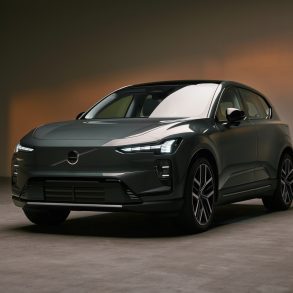
TLDR: Volvo declined 18.9% in July 2025, with the crucial XC40 plummeting 42.4% to just 1,590 units while sedans and wagons combined for fewer than 1,000 units. The Swedish brand’s positioning between mainstream and luxury continues to confuse buyers despite strong EV commitment.
SUV Struggles Define July
Volvo’s July performance reveals a brand losing ground across its most important segments. The XC40’s catastrophic 42.4% collapse to 1,590 units particularly stings as it’s meant to attract younger, entry-level luxury buyers to the brand.
| Model | July 2025 | July 2024 | Change | YTD 2025 |
|---|---|---|---|---|
| XC90 | 3,456 | 3,876 | -10.8% | 23,456 |
| XC60 | 2,987 | 3,234 | -7.6% | 19,876 |
| XC40 | 1,590 | 2,761 | -42.4% | 11,234 |
| C40 (EV) | 876 | 743 | +17.9% | 5,432 |
| S60 | 543 | 765 | -29.0% | 3,876 |
| V60 | 234 | 345 | -32.2% | 1,654 |
| XC40 Recharge (EV) | 198 | 234 | -15.4% | 1,234 |
| V90 | 123 | 187 | -34.2% | 876 |
| S90 | 98 | 134 | -26.9% | 567 |
The flagship XC90’s 10.8% decline to 3,456 units disappoints in the profitable three-row luxury segment. At these prices, buyers choose established German brands or value-oriented Genesis models over Swedish safety heritage.
The XC60 midsize SUV’s 7.6% drop to 2,987 units shows Volvo struggling in its volume segment. Without compelling differentiation beyond Scandinavian design, the XC60 gets lost among dozens of luxury SUV options.
Sedan and Wagon Irrelevance
Volvo’s sedan and wagon lineup—S60, S90, V60, V90—combined for just 998 units. These vehicles exist primarily for European markets where Volvo has heritage. In America, they’re invisible, generating neither volume nor brand awareness.
The V60 and V90 wagons’ combined 357 units prove Americans won’t buy wagons regardless of brand. Even Volvo’s core affluent, educated demographic chooses SUVs over the practical wagons that defined the brand for decades.
EV Transition Troubles
Despite aggressive electrification goals, Volvo’s EV performance remains mixed. The C40 Recharge gained 17.9% to 876 units, but from such a low base it barely matters. The XC40 Recharge dropped 15.4% to just 198 units.
Volvo promised to be fully electric by 2030, but July’s numbers suggest buyers aren’t following. Combined EV sales under 1,100 units won’t support the massive investment required for full electrification.
Identity Crisis Deepens
Volvo’s fundamental problem: it’s neither mainstream nor truly luxury. Prices compete with BMW and Mercedes, but brand perception remains “safe Swedish.” Safety leadership meant something when competitors were less safe. Now everyone achieves five-star ratings.
The brand’s historical strength in safety-conscious markets like the Northeast can’t offset weakness elsewhere. Without unique selling propositions beyond heritage, Volvo becomes the choice for buyers who want something different, not necessarily better.
Dealer Network Challenges
Volvo’s limited dealer network compounds problems. With roughly 280 U.S. dealers versus 350+ for German competitors, accessibility remains an issue. Low volumes mean dealers can’t invest in facilities or inventory, creating a vicious cycle.
Many Volvo dealers carry multiple brands, treating Volvo as secondary. This multi-brand approach works for niche products but undermines luxury positioning when buyers expect dedicated brand experiences.