September 28, 2026
What PowerCo changed on September 24
On September 24, PowerCo Canada, the Canadian arm of Volkswagen Group‘s battery company, pushed the start of its St. Thomas plant back two years, to 2029, The Canadian Press reported. The company said it was aligning the project’s timeline with market demand for electric vehicles, next-generation battery technology and the Volkswagen Group’s long-term strategy. Joel Karlsberg, PowerCo Canada’s chief procurement officer, said the move was “about getting the pacing right” to protect the long-term investment and support regional jobs.
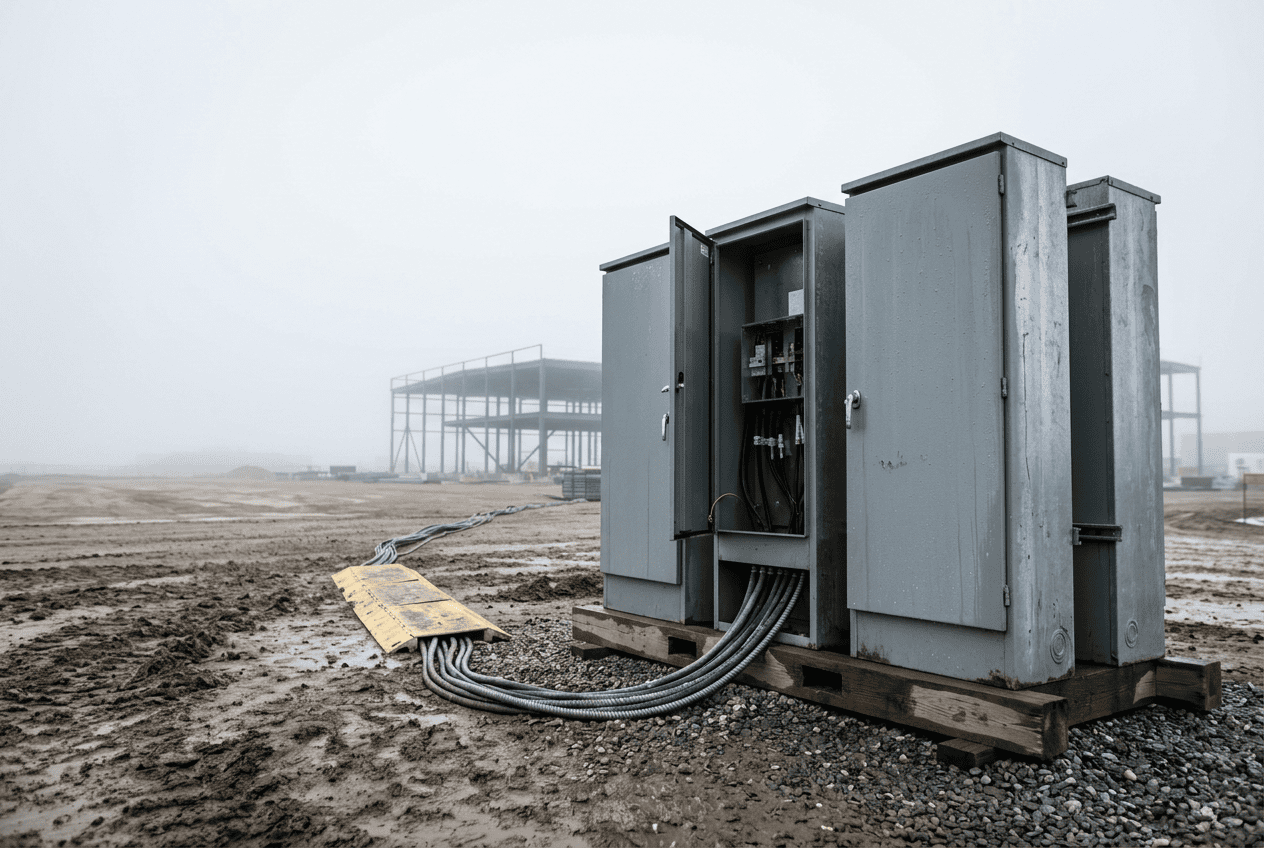
About 60 EllisDon workers are on site now and about 1,300 are expected at the peak of construction, PowerCo told local reporters. PowerCo named EllisDon general contractor the same day, for the production-building shell, the mechanical, electrical and plumbing systems, energy and utility systems, and site services; ground was broken in October 2025.
December 12, 2023 set the baseline the delay is measured against. Volkswagen’s release that day put the plant at up to C$7 billion (€4.8 billion) of investment by 2030, up to 90 GWh of annual capacity in its final phase, up to 3,000 jobs, and production from 2027.
Ottawa pays on output, on a clock
April 21, 2023 is when Ottawa set out the terms. The federal announcement committed production support matching the US Advanced Manufacturing Production Credit, US$35 per kWh, and said “Canada’s support will only be for what is produced and sold and will phase out by 25 percentage points every year beginning in 2030 (after 2032, the credit would be eliminated).” It put the value at C$8 billion to C$13.2 billion depending on production levels. Ontario added C$500 million in direct incentives.
Two consequences follow from that text. The delay defers the production support entirely, because a plant that produces no batteries in 2027 and 2028 collects none of it for those years. It also lowers the ceiling: counting each calendar year at its rate, a plant producing from January 2027 had 4.5 full-rate years before the support ended, and a plant producing from 2029 has 2.5, 44% fewer, before any allowance for a new plant’s ramp-up.
Ottawa’s 2023 release also says the agreement “has the flexibility to be adjusted should the U.S. Advanced Manufacturing Production Credit change in the U.S.” GCBC has not seen the contract, so the schedule above is the one the government described when it announced the deal; the arithmetic sets a ceiling on that schedule, and actual payments depend on output.
Ontario’s EV build-out, project by project
PowerCo is the latest Ontario project to move. The Canadian Press listed the others the next day: Honda’s Alliston EV and battery project delayed on demand, Umicore’s eastern Ontario cathode plant on hold, GM’s BrightDrop van production at Ingersoll ended, Ford’s Oakville EV plans delayed in favour of F-Series gas pickups, and the NextStar battery plant in Windsor pivoted to storage batteries, with LG Energy Solution since buying Stellantis out.
In June, GCBC reported Honda Canada’s warning that continued assembly at Alliston is not automatic. St. Thomas differs from that case in one respect: construction continues under a named contractor, so the question the 2029 date raises is how much of the support clock the plant will use.
What comes next
October 29 is the next dated checkpoint. Volkswagen publishes its nine-month report that day, the first group filing since the delay, where any change to PowerCo’s capital plan would show. A federal statement on whether the 2029 start changes the support terms, or a PowerCo date for first cell production, would be the next fact worth reporting.