January 24, 2026
TLDR: Volvo’s EX60 matters less for its 810 km range than for how it gets there: megacasting, structural batteries, and 800V architecture that cut manufacturing costs up to 35%. With Geely ownership providing Chinese production expertise and Swedish engineering credibility, the EX60 tests whether that combination translates into vehicles your customers will cross-shop against everything else in the segment.
Volvo buried the lead at its own launch event.
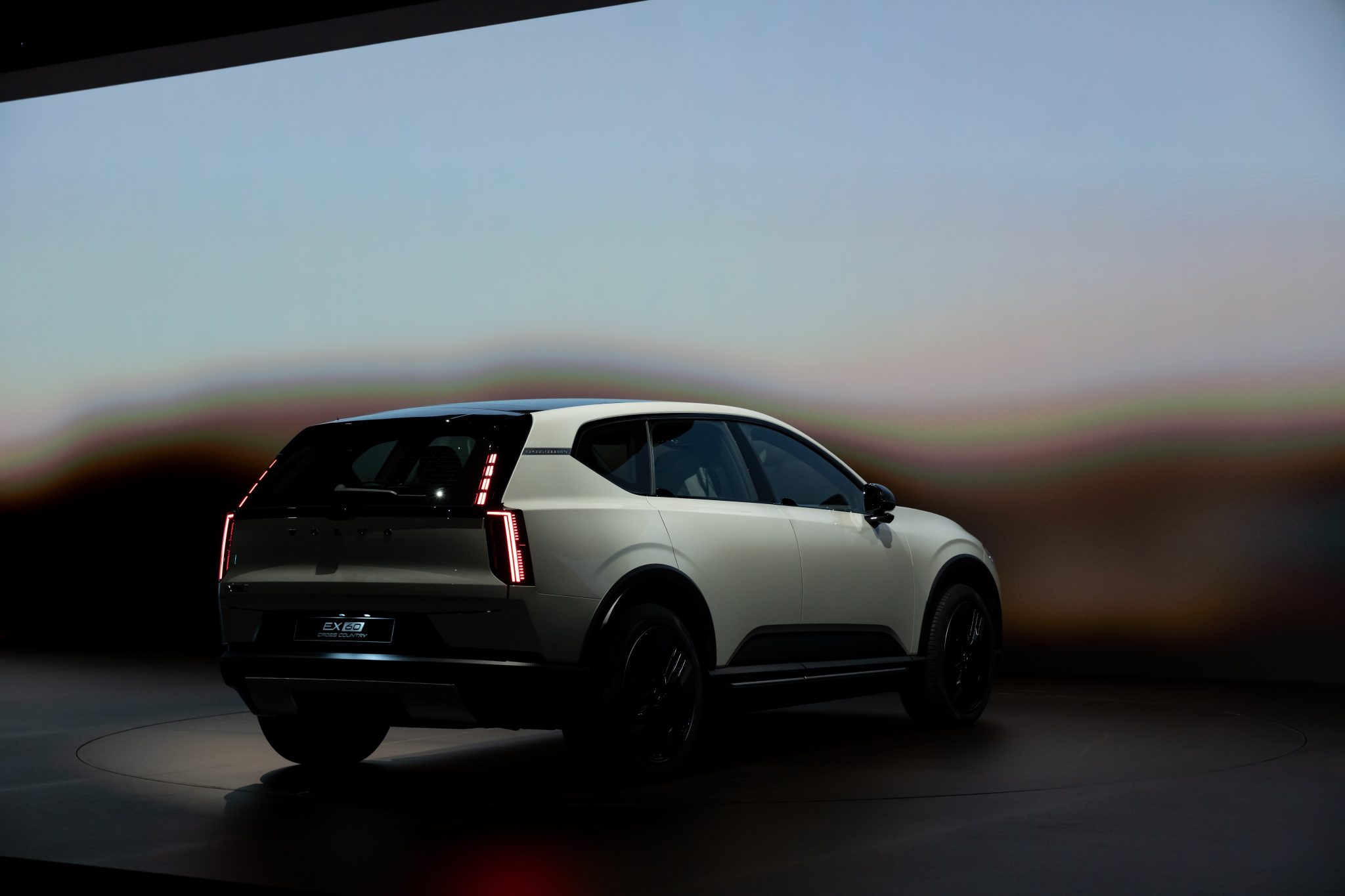
When the EX60 debuted January 21 in Stockholm, the spec sheet delivered: 810 kilometers of range on the flagship, 340 kilometers added in ten minutes on a 400 kW charger. Competitive numbers. But Volvo’s executives spent more time discussing casting presses than horsepower. That choice tells you where the EV business is actually heading, and what it means for everyone selling against these vehicles.
The EX60 rides on SPA3, Volvo’s first platform built exclusively for battery electric vehicles. Unlike the SPA2 under the EX90, which still accommodated combustion variants, SPA3 abandons ICE entirely. The engineering consequences cascade from that decision.
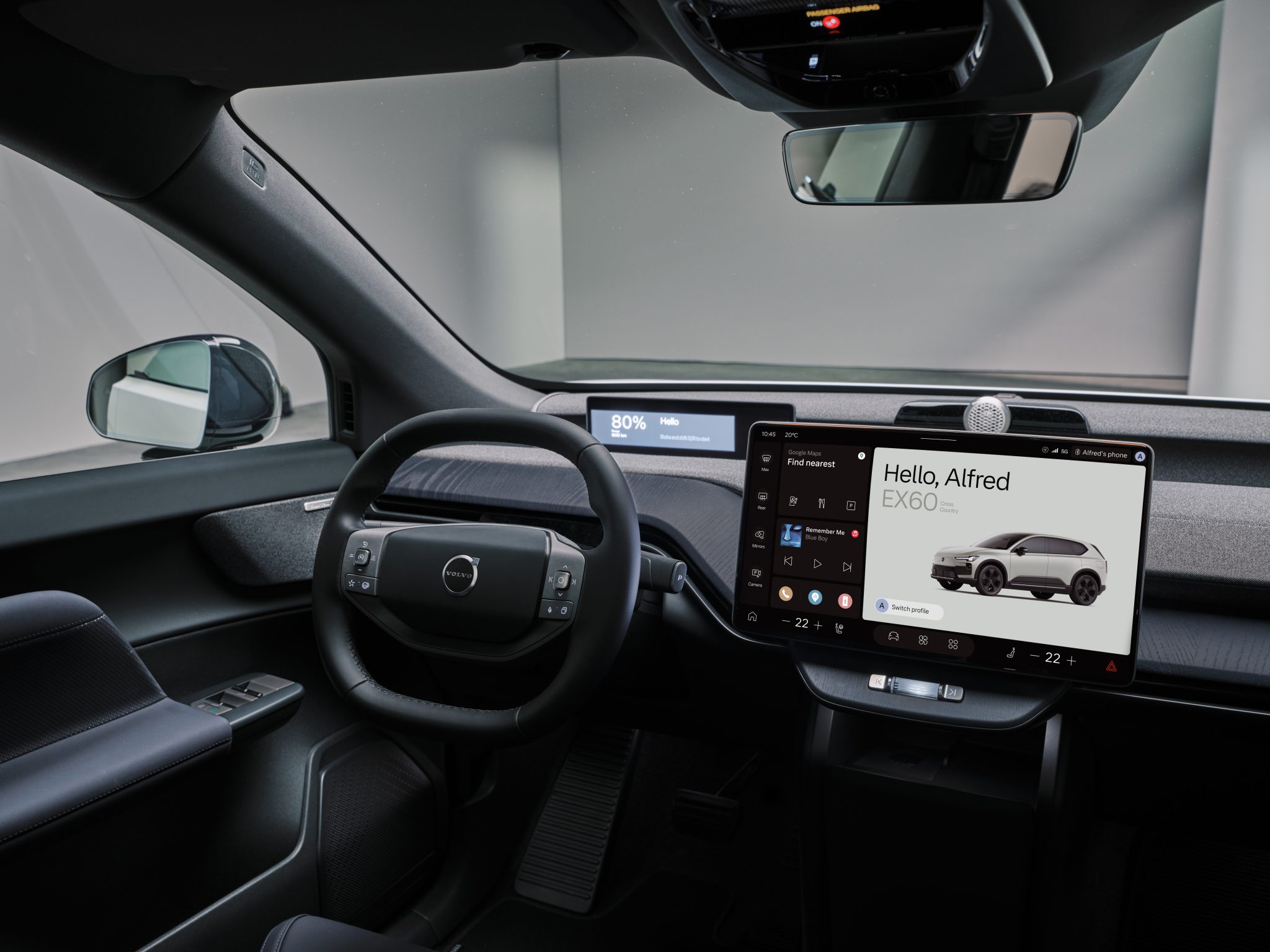
 Cell-to-body integration makes the battery pack a structural chassis element rather than a protected box bolted to the floor. Pack thickness drops, cabin space improves without stretching wheelbase, and redundant structural weight disappears. Volvo pairs this with 800-volt architecture, doubling the EX90’s voltage. Higher voltage means thinner cables, less charging heat, and real-world fast-charge speeds that match the marketing claims.
Then there’s megacasting. Large precision-cast aluminum components replace assemblies that previously required welding hundreds of stamped pieces together. Dongfeng’s 16,000-ton press showed Chinese manufacturers catching up to Tesla’s approach. Now a legacy European automaker is committing to megacasting for a high-volume global model.
 The cost implications matter for your floor traffic. Volvo claims landed cost for megacast structures runs 35% below equivalent assemblies. Fewer parts, fewer suppliers, fewer quality variations. The EX60 production line in Gothenburg operates on fundamentally different economics than conventional manufacturing.
For dealers, this translates to pricing pressure across the segment. Three U.S. variants are confirmed: rear-drive P6 Electric at roughly 310 miles, all-wheel P10 Electric at 320 miles, and the P12 AWD flagship claiming 400 miles. Positioning against BMW iX3 and Mercedes EQC suggests $55,000-60,000 entry pricing when sales begin late spring 2026.
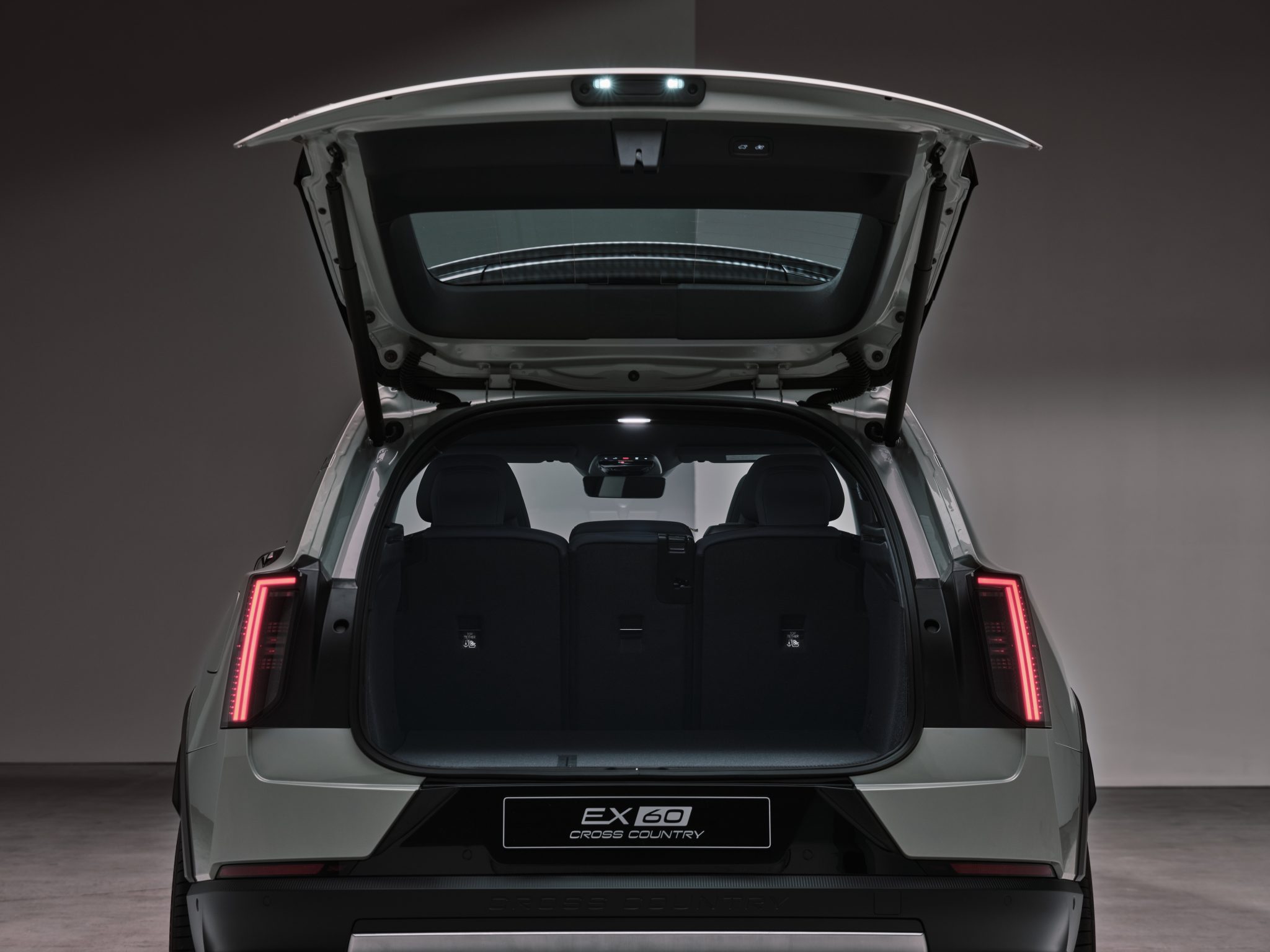 The XC60 moves nearly 40,000 units annually in the U.S. Those customers will now have an electric option wearing a familiar nameplate. The question is whether they’ll also have competitive lease rates driven by manufacturing efficiency rather than incentive spending. Volvo’s U.S. sales have held steady around 100,000 units annually; the EX60 needs to expand that base, not cannibalize it.
Here’s the strategic angle your competitors might miss: Volvo is majority-owned by Geely. That gives them access to Chinese production expertise, Chinese battery supply chains, and Chinese cost structures, while retaining Swedish engineering credibility and established North American dealer networks. The EX60 tests whether that combination actually works.
Battery costs have plateaued. The dramatic price declines that made EVs progressively affordable have slowed. Further cost reduction comes from platform engineering, production efficiency, supply chain simplification. Every manufacturer understands this. The difference is execution, and European automakers have historically struggled against Asian manufacturing efficiency.
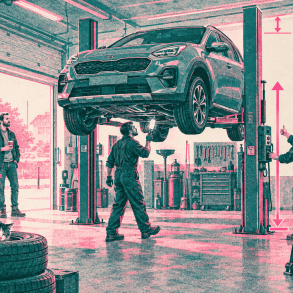
Service departments should note the integration complexity. Structural battery packs and megacast body components change collision repair economics significantly. A rear-end impact that previously meant replacing stamped panels now potentially means replacing a single massive casting. Training and tooling investments made for conventional EVs may not transfer cleanly.
First deliveries expected second half of 2026. If Volvo’s manufacturing bet pays off, expect the approach to cascade across their lineup and force responses from competitors in your showroom. If it doesn’t, the EX60 becomes another lesson in why legacy automakers struggle against purpose-built EV competitors.
The next EV competitive wave won’t be won by whoever builds the biggest battery. It will be won by whoever builds vehicles most efficiently at scale. That affects everyone selling against them.