June 28, 2026
June 30 is the last day the federal government helps pay to install an EV charger. The Section 30C credit, the Alternative Fuel Vehicle Refueling Property Credit, was written to run through 2032 under the 2022 climate law, but last year’s budget act pulled the expiration up to June 30, 2026. For a home installation the credit covers 30 percent of equipment and labor up to $1,000, the kind of money that turns a $1,500 Level 2 install into a $500 one.
The catch is the word “operational.” The IRS test is that the charger must be placed in service, installed and working, on or before June 30, not simply bought or scheduled. With four days left, anyone holding a unit in a box or a contractor booking out past Tuesday has already missed it. A purchase order is not a placed-in-service date, and the credit reads the calendar, not the receipt.
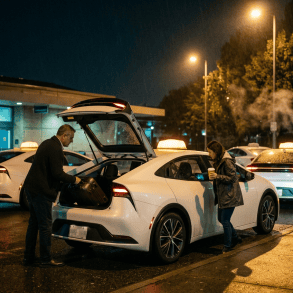
The bigger number is on the commercial side. For a business or fleet, the credit runs up to $100,000 per charging port, the full 30 percent available where the installer meets prevailing-wage and apprenticeship rules, with eligibility tied to low-income or non-urban census tracts. That is the line that funds depot charging for the robotaxi and delivery fleets scaling up this year, and it expires on the same Tuesday as the homeowner’s $1,000.
The 30C deadline matters more because of what is already gone. The $7,500 federal credit on the EV itself was eliminated last year, which is why the cheapest electric trucks now have to clear their price without help from Washington. After June 30 the charger credit joins it. The federal subsidy structure that defined EV buying for a decade comes down to its final four days, and the only people who collect are the ones whose charger is bolted to the wall and drawing power before the month ends.