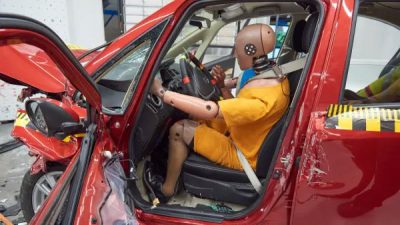
The history of Chinese cars in Europe is not without its bumps in the road, most notably in terms of their safety record. And Germany’s automobile club ADAC has been on the forefront of making sure consumers are being made aware of what they’re getting into. Who doesn’t remember the shocking images of the Jiangling Landwind crash test the ADAC carried out in 2005 or that of the Brilliance BS6 two years later? Both cars had a short-lived career in Europe as buyers who initially had been attracted by the seemingly great value for money, were put off by fears of their safety after a possible crash. The Chinese manufacturers withdrew to their home turf with their tails between their legs, never to return. Fast forward more than a decade, and some other Chinese manufacturers have gathered enough courage to try again. This time they’re convinced their vehicles are up to the challenge with European car buyers and regulators, and they’re planning to do so with electric cars.
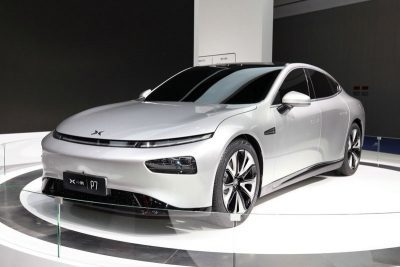 Shanghai Automotive Industry Corporation, manufacturing partner of both Volkswagen and General Motors in China, has been exporting cars under its MG brand to the United Kingdom since 2009 but waited until 2019 to expand its operations to mainland Europe, with its all-electric crossover MG ZS. Other Chinese startups and established manufacturers have launched ambitious plans to storm the European EV market with very modern vehicles that can easily compete with those of the major European brands in terms of design, technology and safety. This way, brands like Nio, Aiways and Xpeng (pictured) are hoping to change the image of Chinese cars in the eyes of European consumers and become world players. However, a small and rather unknown EV maker may have just set back those dreams by proving not all manufacturers are up to the challenge.
No Membership? You’re missing out
Get immediate ad-free access to all our premium content.